Ishwar Haribhakti Archives

Historical Contributions of the Haribhakti Family

The Haribhakti family occupies a distinguished place in the socio-economic and cultural history of Western India. Over successive generations, members of this eminent family have not only participated in shaping the region’s financial and social landscape but have also taken deliberate steps to record their legacy through written works. These historical writings, composed in Gujarati, English, and Marathi, serves as an invaluable primary sources for understanding the evolution of trade, governance, and philanthropy in the region.

One of the most significant examples of such documentation is the “Haribhakti Gharana ni Hakikat nu Pustak”: a comprehensive account detailing the lineage, achievements, and contributions of the family. Beyond this, numerous drafts and manuscripts exist, each reflecting the multifaceted roles assumed by the Haribhakti family in spheres such as:

  • Social and Cultural Engagements: Patronage to arts, education, and community welfare initiatives.
  • Political and Administrative Roles: Active involvement in governance and advisory capacities during princely and colonial periods.
  • Financial and Banking Innovations: Foundational contributions to indigenous banking systems and commercial networks.
  • Philanthropy and Public Service: Charitable endeavors aimed at healthcare, education, and social upliftment.
  • Land Revenue and Estate Management: Participation in revenue collection and agrarian administration under princely states.
  • Preservation of Prestige and Honor: Efforts to maintain the family’s standing through civic and cultural leadership.

Collectively, these writings scores the Haribhakti family’s enduring influence across multiple domains, economic, political, and cultural. Today, these manuscripts are meticulously preserved in the Ishwar Haribhakti Archives, offering scholars and researchers, a rare and authentic window into the historical processes that shaped Western India’s society and the economy.

Haribhai & Bhaktidas:
The Founding Diamonds

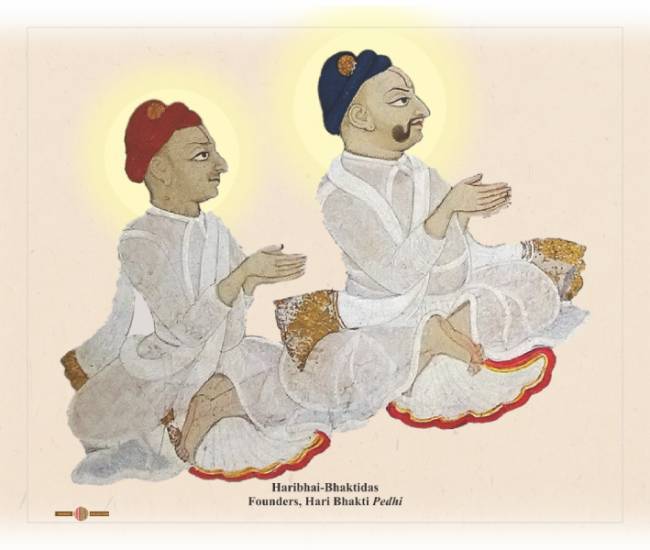
Haribhai and Bhaktidas were evershining, forged under pressure, clarity of thought with sharp intellect and prized possessions of the Peshwa and Gaekwads. They were visionary sons of Sheth Laxmidas, rose to prominence in the 18thcentury as pioneering bankers amid political upheaval and economic transformation. Complementary in temperament Haribhai energetic and bold, Bhaktidas calm and strategic they took charge of the family business after their father’s and elder brother’s passing. In 1762, they founded Hari Bhakti Pedhi in Pune, blending their names and values. Their integrity and financial acumen won the confidence of both the Peshwas and the Gaekwads, who appointed them as potedars (state bankers). The firm managed state finances, issued hundis, and supported trade across western India, laying the foundation for the Haribhakti family’s influence in finance, politics, and society. By the late 18th century, the Pedhi had become chief creditor to Baroda State. Both brothers had passed away by 1796,leaving a lasting legacy of resilience, trust, and enterprise.

Archives of Haribhai & Bhaktidas

icon Haribhai & Bhaktidas Archive-17

Inami Village Kajapur was given to Haribhakti and their heirs in perpetuity by Sanad in 1778 from Peshwa Government with sign of Prime Minister Madhavrao Narayan.
View More

icon Haribhai & Bhaktidas Archive-16

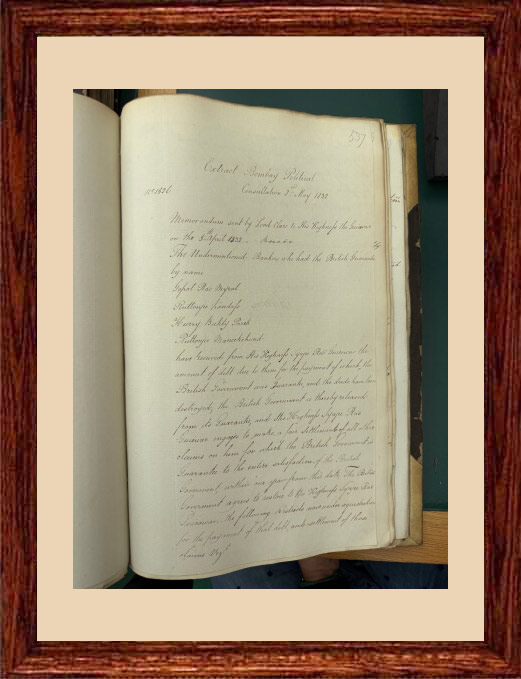
Selections from Baroda State Records, paying Rs. 2 lakhs to Hari Bhakti as a Banker; dated: 12-10-1793.
View More

icon Haribhai & Bhaktidas Archive-15

Manuscript folio showing account receivable from Courtiers at Pune Pedhi in 1790.
View More

icon Haribhai & Bhaktidas Archive-14

Newspaper cutting mentioning the 900 Samadhis (Small temple or structure made in memory of deceased) lies Between Ajwa Lake and Padra at the river banks of Vishwamitri 30-09-2017.
View More

icon Haribhai & Bhaktidas Archive-13

Samadhi of Bhaktidas Parikh at the bank of Vishwamitri river.
View More
Ratanbai: The Matriarch of the Haribhakti Legacy

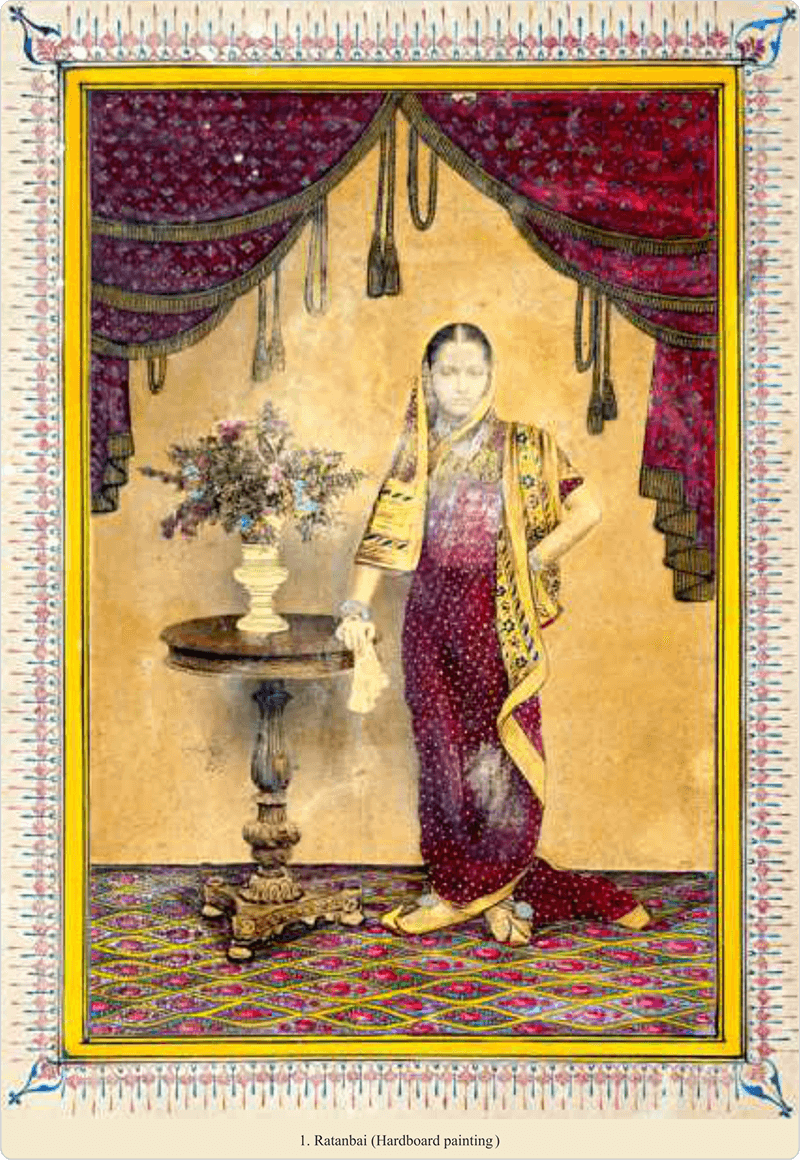
Ratanbai was like a rose: graceful, passionate, energetic, and graceful. The pillars of the family ~ Haribhai and Bhaktidas died in the year 1796 & 1795 respectively. Bhaktidas’s widow Ratanbai, who was familiar with the workings of the firm, took over the entire administration of the firm.

Haribhai’s two wives, former Dudhibai and later Jivkorbai, had simple personalities, and were not interested in the workings of the firm, so they gave full support to Ratanbai. At a time when women lived behind veils and considered their whole world within the four walls of the house, Ratanbai maintained her tradition, and managed the firm, and the family effectively and systematically by winning the trust of the moneylenders, the Peshwa Government, the Gaekwad Government, and the British bureaucrats. She proficiently handled pedhi’s overall management. 

From 1796 to 1803, she expanded the family business. She nurtured the family’s extensive trade with the help of Samaldas in Baroda and Dullabhdas in Pune. She actively participated in politics too. Haribhai and Bhaktidas’s nephew, Dullabhdas being well-informed in the Pune firm, retained the right to manage the firm there, as a representative. He ran it satisfactorily for three years, but then declared himself Haribhai’s heir, and usurped the Pune property. After this, Bhaktidas’s widow, Ratanbai, took her nephew Samaldas with her, and went to check the accounts of the firm in Pune from Dullabhdas. She succeeded well and took possession of her property. On 5 December, 1803, Ratanbai adopted her nephew Samaldas, after obtaining the approval of the Shrimant Peshwa government.Despite the societal restrictions that Indian women faced, Ratanbai Haribhakti, Bhaktidas’s wife, handled the family business with proficiency and expanded it from 1796 to 1803.

Archives of Ratanbai

icon Ratanbai Archive-06

Shethani Ratanbai memorialised at "Ratan Talav" from where the soil was taken for building Mota Narandev Mahadev, Nadiad.
View More

icon Ratanbai Archive-05

Ratanbai offered to the Lord Shreenathji, Necklace worth Rs. 90,000/-.
View More

icon Ratanbai Archive-04

Answer sent by Malharrao mentioning the widow Ratanbai Haribhakti willing to free Kanhoji at any cost (6 or 8 lakhs of rupees) (Selections).
View More

icon Ratanbai Archive-03

Garbi mentioning Ratanbai Haribhakti for her contribution towards building Motanarayan Mahadev temple at Nadiad.
View More

icon Ratanbai Archive-02

Manuscript folio, describing the adoption of Samaldas. Ratanbai has taken approval from Shrimant Peshwa Sarkar.
View More
Samaldas Haribhakti

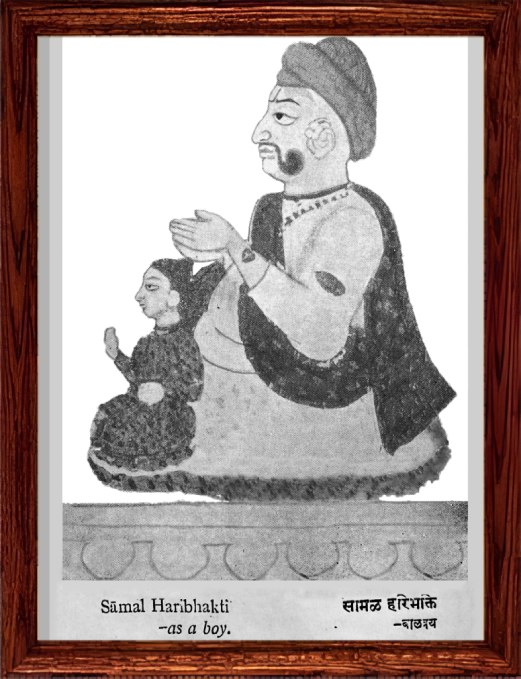
Samaldas was a peaceful persona, depicting growth and foresight in his business in surat and other cities. Ratanbai Haribhakti adopted Samaldas as her son on 5th December 1803 with the consent of the peshwa government.

Dewan Raoji Appaji found it difficult to govern Arab soldiers. He sought the help of the East India Company, which sent Major Alexander Walker to the Baroda in 1802. He decided to disband the Arab Soldiers but this could not be done unless their salary arrears were paid. The state did not had funds. HariBhakti Pedhi came to the Maharaja and the company’s rescue. After knowing this act J.Walker (Major,Resident Baroda State)in 1803 assured Samaldas, the East India Company’s protection and support to the Haribhakti Firms of Ahmedabad, Surat ,Bombay or elsewhere within the Company’s authority.

During the Samaldas’s time the Baroda state was rules by Maharaja Anandrao (1800-1819). In 1808, the British had appointed Samaldas Haribhakti as the Baroda State’s Chief Potedar.

Achratbai Haribhakti

Samaldas’s wife, Achratbai, was an accomplished woman. She was like an orchid, she had fire, desire, uniqueness, pride, enthusiasm and boldness. She remained dedicated to the family business and steered it towards growth and prosperity throughout her life. While engaging with the family business, she contributed to charitable activities. When Samaldas passed away in 1809, she adopted Bechardas as her son.

Bechardas Haribhakti

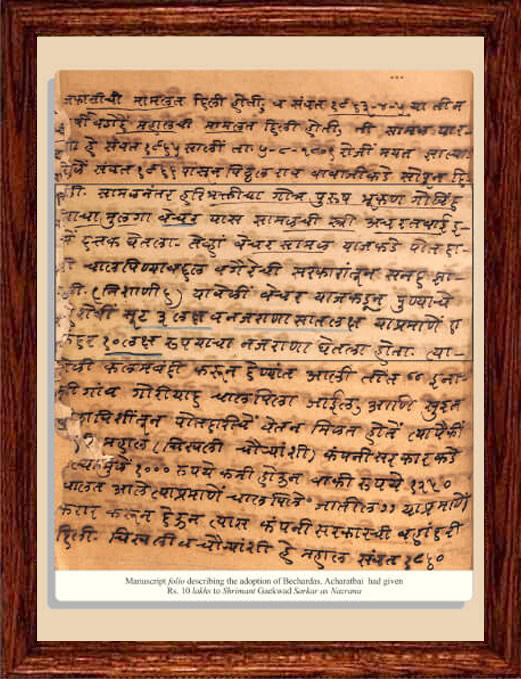
Samaldas and his wife Achratbai did not have child, therefore Bechardas was adopted by Achratbai on 23rd August 1809.

In October 1809 there were several agreements between Achratbai and Gaekwad state, including rights over property. As per the agreement, the rights over the representation of the Baroda HariBhakti Pedhi, the administration of the State’s treasury, the claim over the State’s profit,and the ownership of the villages granted to the family were given over to Achratbai and Bechardas.

In 1837 the Pedhi faced a considerable setback when all its documents and valuables were destroyed in a fire that engulfed in Surat. It took three days to bring the fire under control. The Gaekwad government invited Bechardas personally to Baroda and extended all necessary help to meet the firm’s loss. The Haribhakti’s went through a crisis during 1837-45. Bechardas died on 4th September 1845.

Jyotibai Haribhakti

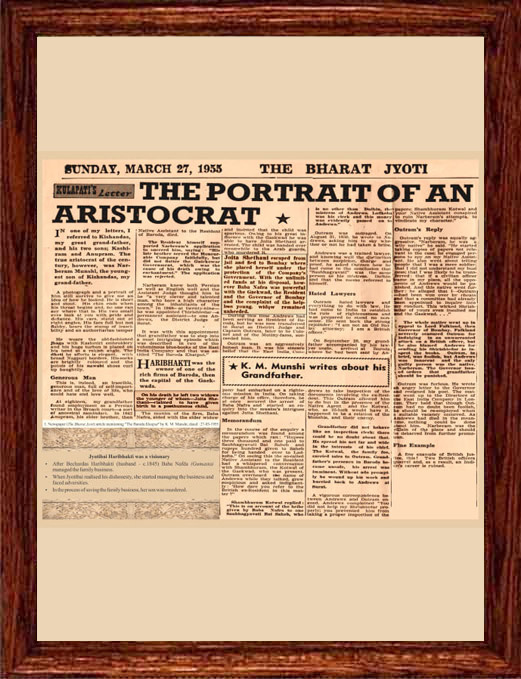
Jyotibai (Bechardas’s wife) was a visionary with courage. She was like a marigold she had a warmth,optimism and happiness in her life while she suffered had pain and grief. After Bechardas died in 1845, Baba Nafda looked after the family business. Once Jyotibai realized his selfish nature, she tried to take over the reigns of the business. She suffered due to his ill intentions and even lost her son in the struggle to save the family business.

Mahalakshmibai Haribhakti

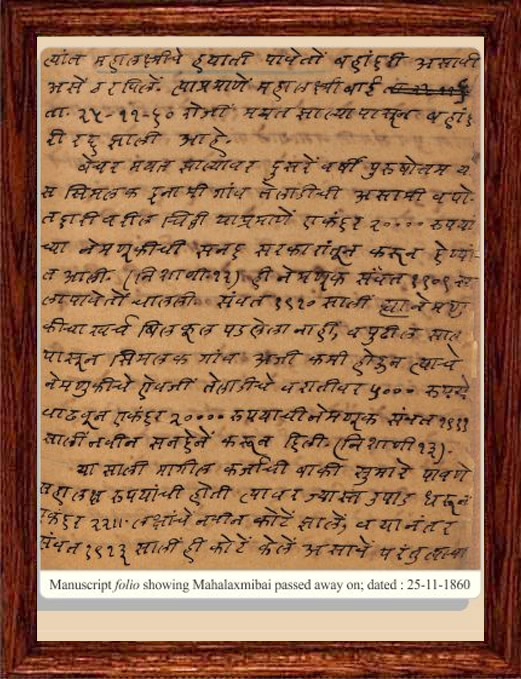
Mahalakshmibai was like Daisy: she was innocent and loving. In the daisy flower, there are classic white petals surrounded by a yellow centre. Mahalaxmibai’s life was surrounded by her son’s life. After the death of Bechardas Sheth, the entire rights of the Haribhakti firm went to Purushottambhai. This was Sheth’s childhood, so his mother Mahalaxmibai, considering the vicissitudes experienced before, entrusted the total administration of the firm to the chief accountant named Pitambarbhai.

Purushottambhai Haribhakti

Bechardas had a three year old son, Purushottambhai. Before the death of Bechardas he gave his responsibility of administration of the Pedhi to Baba Nafda. Since Purushottambhai was an infant , Baba Nafda virtually acted as the owner of the Haribhakti Firm.He turned out to be unscrupulous, committed large financial frauds, harassed Bechardas’s wife Jyotibai and dented the prestige of the Pedhi. Mahalakshmibai , the former and Jyotibai, the later were two wives of Bechardas. Purushottambhai was Bechardas and Mahalakshmi’s son. Purushottambhai grew up with a delicate physique but he worked dedicatedly. He was entitled to receive all Jagirs given to his father by the Gaekwad state. In 1854 he was appointed as a Potedar by Maharaja Ganpatrao Gaekwad for Rs 20,000.

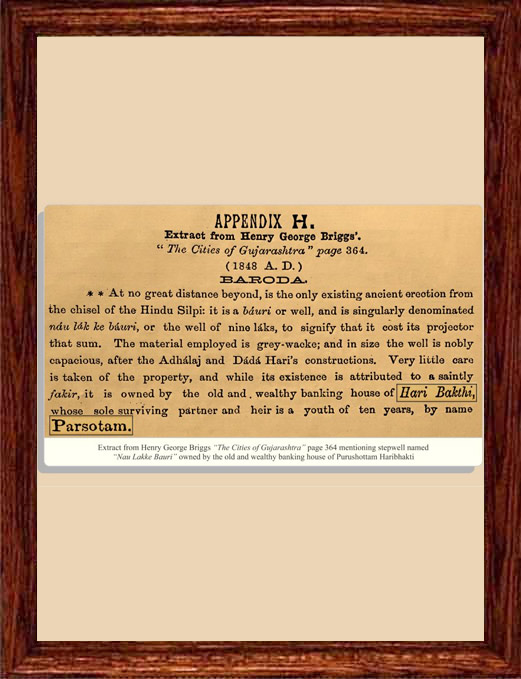
Purushottambhai would often go to the Navlakhi Vav owned by the Haribhaktis. Purushottambhai died at the young age of twenty years without any children.

In 1862 his wife Rukshmani deposited a sum of Rs 5 Lakhs with the state and adopted one of his relatives, Maganbhai, as her son.

Rukshmanibai Haribhakti

Rukshmanibai was like a flamingo: she had inner beauty. Her husband had delicate health and she took good care of him. Purushottambhai Sheth died childless, his wife Rukshmanibai deposited a sum of Rs.5 lakhs with the State and adopted one of his relatives Maganbhai, as her son.

Maganbhai Haribhakti

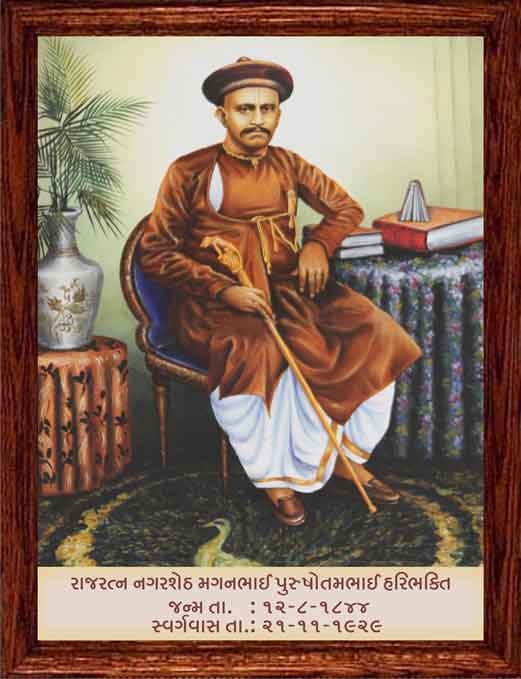
In 1862, Maganbhai Haribhakti fifth-generation heir to the family. He was clever and young when adopted. Guided by his mother Rukshmanibai, he earned a reputation for honesty, foresight, and social commitment. His support proved pivotal in securing the throne for Maharaja Sayajirao III, ushering in Baroda’s golden age. A reformer at heart, Maganbhai fought to eliminate unjust practices and served actively in both civic and royal affairs.
He joined the Baroda Pedhi Company in 1884 and became one of the first directors of the Bank of Baroda in 1908. During Maharaja Sayajirao’s Silver Jubilee, he received the Rajratna gold medal for his public service. Maganbhai passed away at 75, leaving behind a large, respected family.

Jamnaben Haribhakti

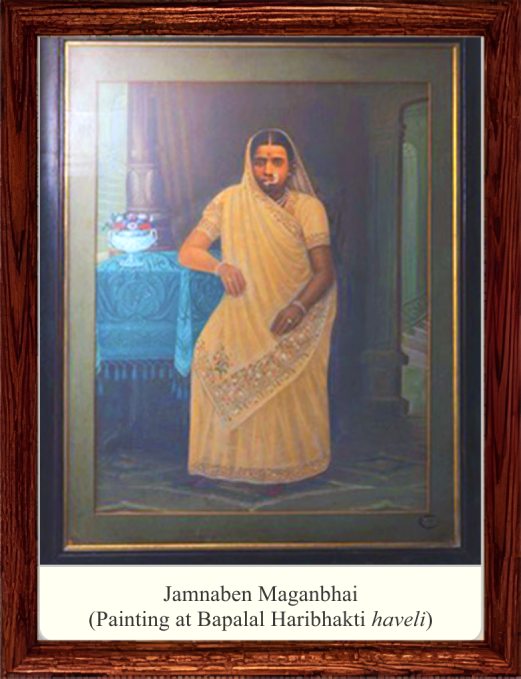
Jamnaben Haribhakti was the esteemed granddaughter of Sheth Krishnadas Balamukunddas of Madras, a legendary figure celebrated for his influence and enduring legacy in the region. She upheld this heritage with grace, wisdom, and a deep sense of familial duty. As the devoted wife of Maganbhai Haribhakti, she exemplified the ideals of a cultured and family oriented woman, nurturing her household with care and insight. She was very religious and had made a lot of contributions in the field of philanthropy. Her dignified presence and thoughtful guidance earned her respect as a matriarch. Her contributions to the family’s unity continue to be remembered with admiration.

Dahyabhai Haribhakti

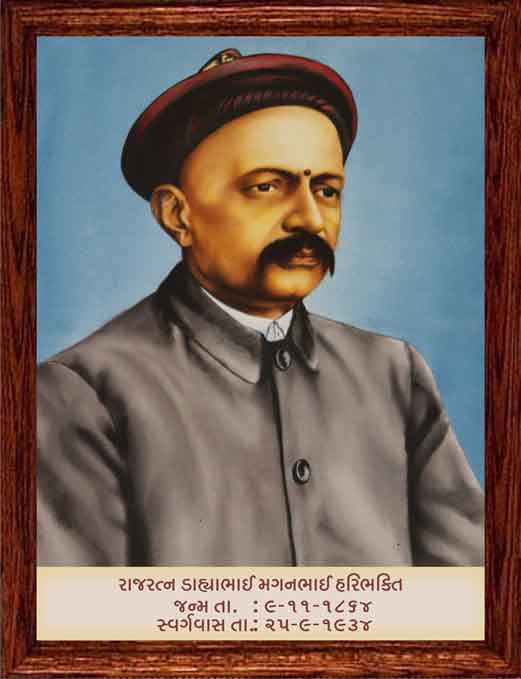
Dahyabhai Haribhakti the sixth-generation head of the family steered the Pedhi through turbulent years with clear-headed logic. He petitioned the government for grants and annuities, even after Baroda State reclaimed half of Goriyad village and cut payments. A committed social worker, he remained active in public welfare and served on the management committee of the Gujarat Sahitya Parishad. He passed away on 25 September 1934.

Hiralakshmiben Haribhakti

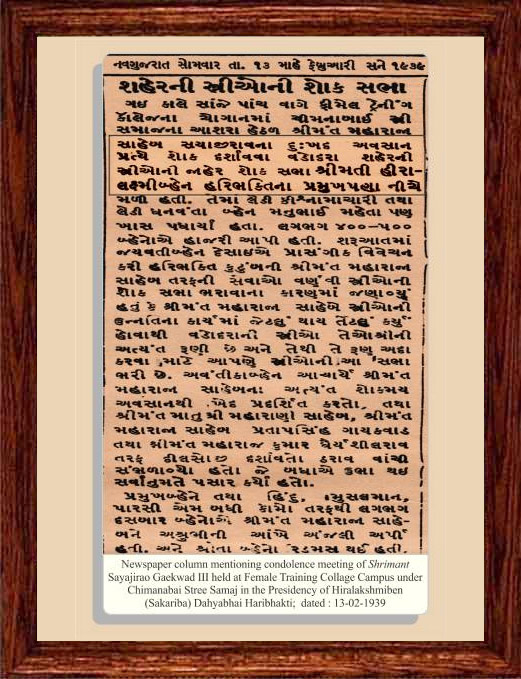
Shakri(Alias:Hiralakshmi-Dahyabhai’s Wife) held a distinct position in the Gaekwad Court and prestigious status in the society. She was divine and affectionate. “Chappan par bhughal vage” she would often say, which indicated the 56 crore gold coins,prosperity,and splendor of the Haribhakti Family.

She had a special attachment to the Raneshwar Mahadev Temple. She would often go there to stay. She has a great respect for cows and had given shelter to five cows in this temple. She had reserved a separate farm for their fodder and retained special staff for them.

Ratanlal Haribhakti

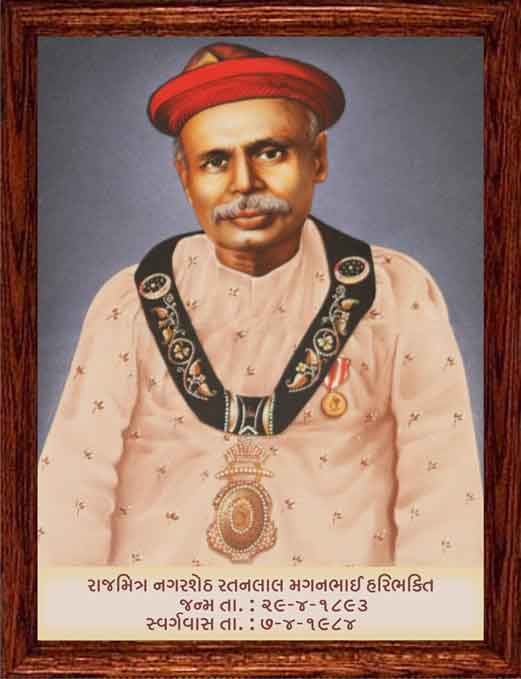
At 41, Ratanlal Haribhakti became Nagarsheth and emerged as a trusted aide to the Gaekwads. He helped organize Maharaja Pratapsinghrao Gaekwad’s 1939 coronation earning the title Rajmitra and mediated during civic unrest, notably opposing police firing in 1942. He spoke out against burdensome taxes, backed Baroda’s merger with India, and balanced public life with deep spirituality, practicing yoga and leading daily prayers. Despite his influence, he remained humble and devoted to service.

Radhaben Haribhakti

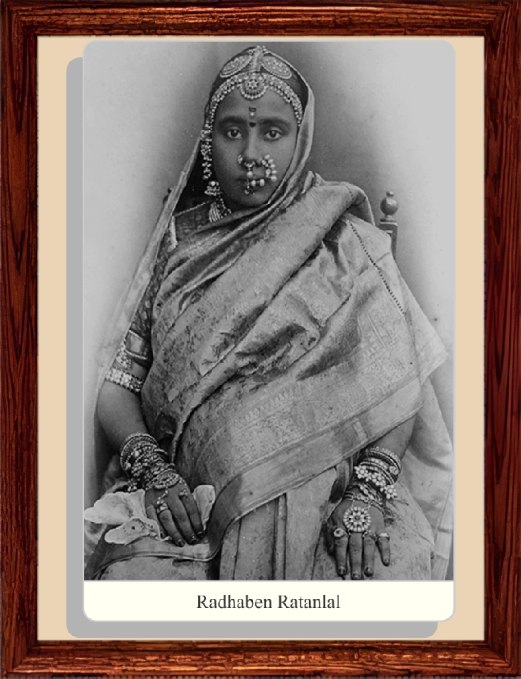
Radhaben Haribhakti was a graceful and cultured woman, deeply religious and unwavering in her devotion to her family. She upheld the family’s values and prestige with quiet strength, offering steadfast support in all aspects of life. Her role in carrying the legacy forward was both pivotal and enduring.

Bapalal Haribhakti

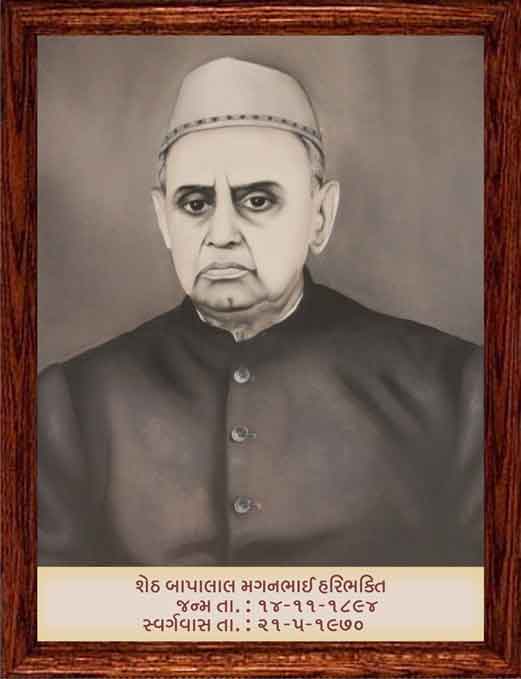
A pivotal figure in the textile industry, Bapalal Haribhakti served as director of several mills early in his life. A devout family man, he brought prosperity and openness to the household while engaging actively in cultural organizations such as the Baroda Landlord Association and Avdhoot Mahamandal.

Hiragauri Haribhakti

Hiragauri was like a lotus: she had spiritual significance, purity, modesty, and eloquence. Hira Gauri, the wife of  Bapalal Haribhakti,actively associated herself with eighteen different organizations.

Rajendrabhai Haribhakti

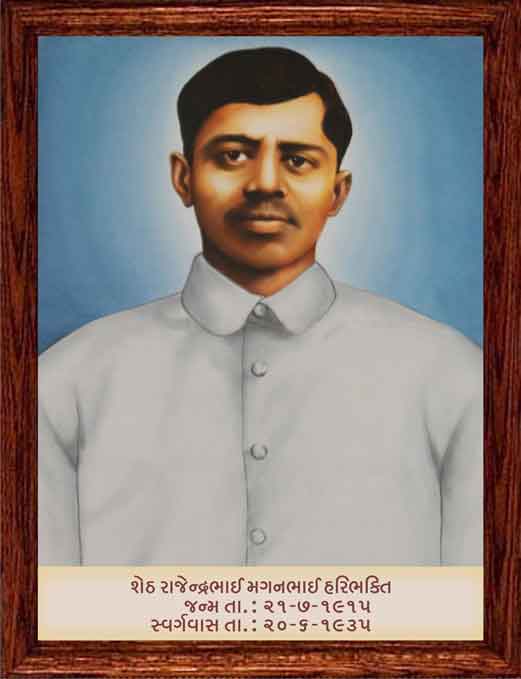
Had a calm and peaceful persona. Rajendrabhai Maganbhai Haribhakti, the youngest of four brothers, was the sixth generation of the Haribhakti’s. Born on 21 July, 1915, he had a calm and religious personality. As an ardent devotee, he followed strict personal discipline. Rajendrabhai assisted his brothers in business pursuits but passed away at a young age on 20 June 1935.

General Questions

What are the Ishwar Haribhakti Archives?

A historical collection documenting the Haribhakti family’s legacy, tracing their roots to the 18th century and their influence in finance, spirituality, and culture.

What was the Hari-Bhakti Pedhi and why is it important?

Founded in 18th-century Poona, it was a pioneering indigenous banking institution, central to the family’s rise in finance.

What kinds of materials are preserved in the archives?

Accounting records, correspondence, photographs, awards, newspaper clippings, and manuscripts spanning the 18th–20th centuries.

What role did the family play in Indian history?

They served as financiers to the Peshwas and Gaekwads, influencing regional economies and political developments.

What role did women play?

Women led construction of temples and dharamshalas across India, leaving behind a legacy of devotion and architectural patronage.

Why are these archives important?

They offer rare insight into India’s evolving financial systems, trade networks, and governance—making them invaluable to researchers.

Contact Us

Contact us for the more details!

    Request Full Document


      This will close in 0 seconds