
Ishwar Haribhakti Archives
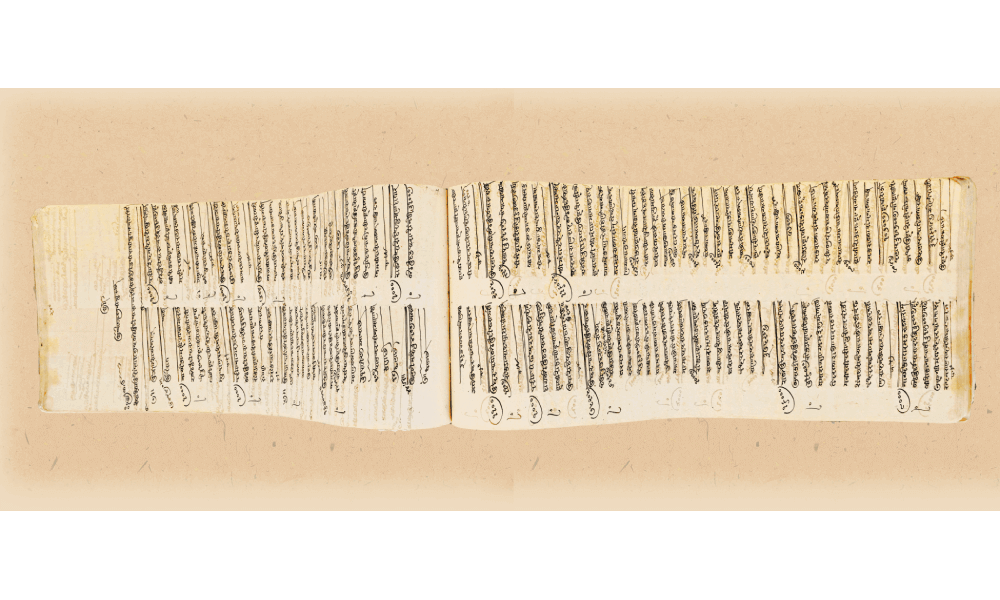
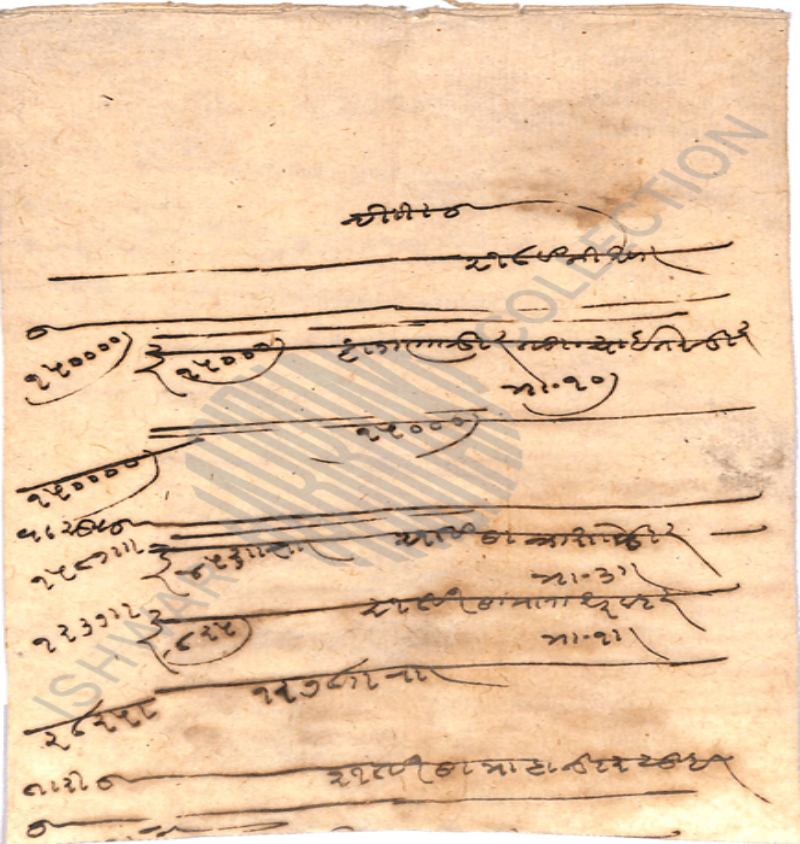
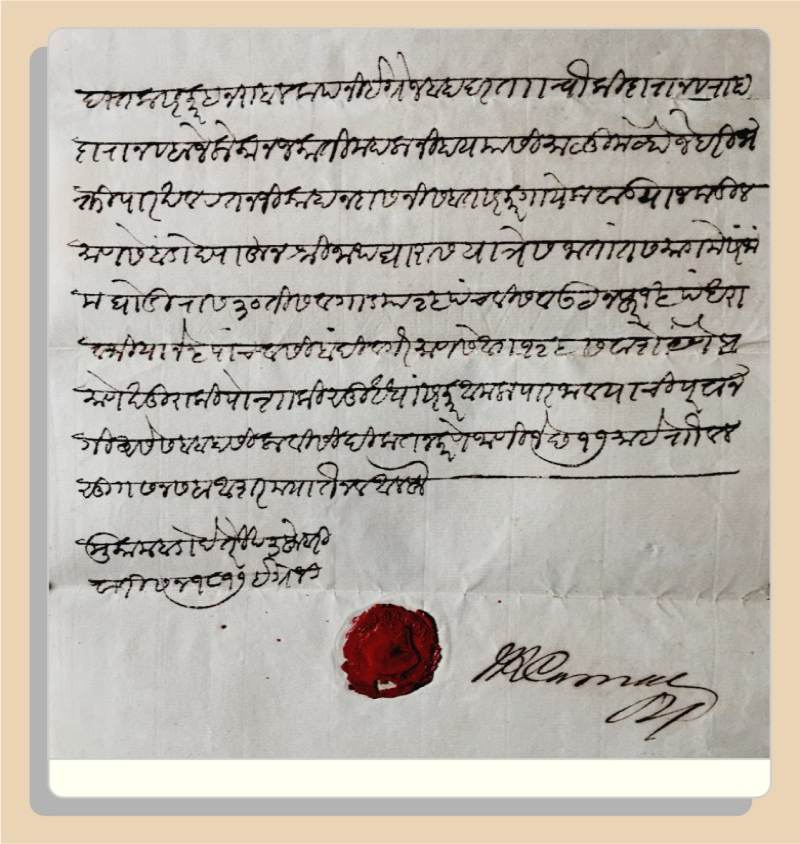
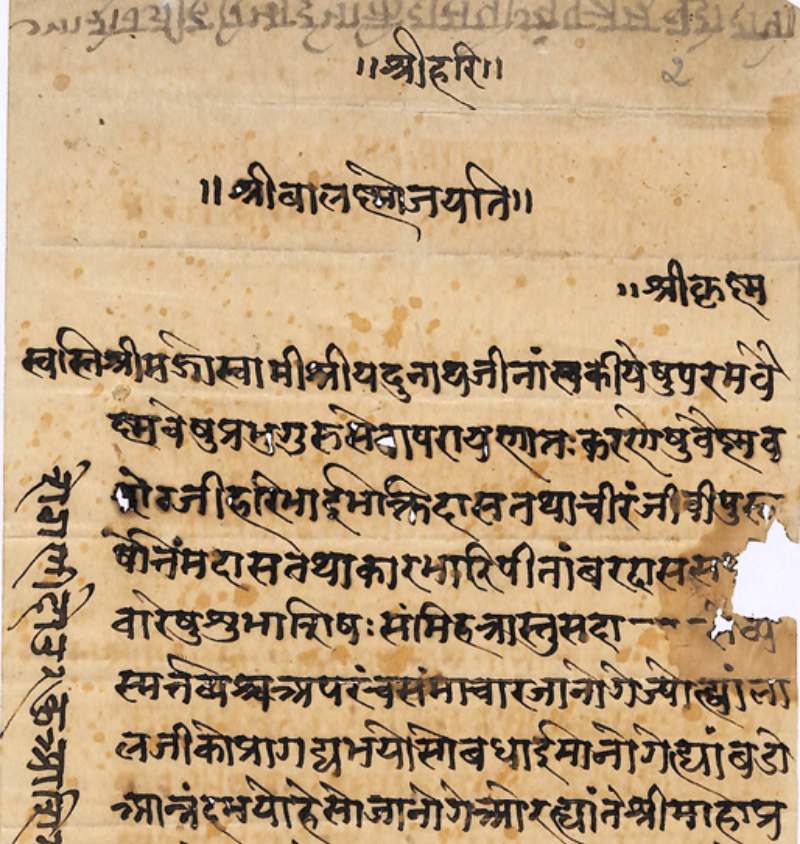
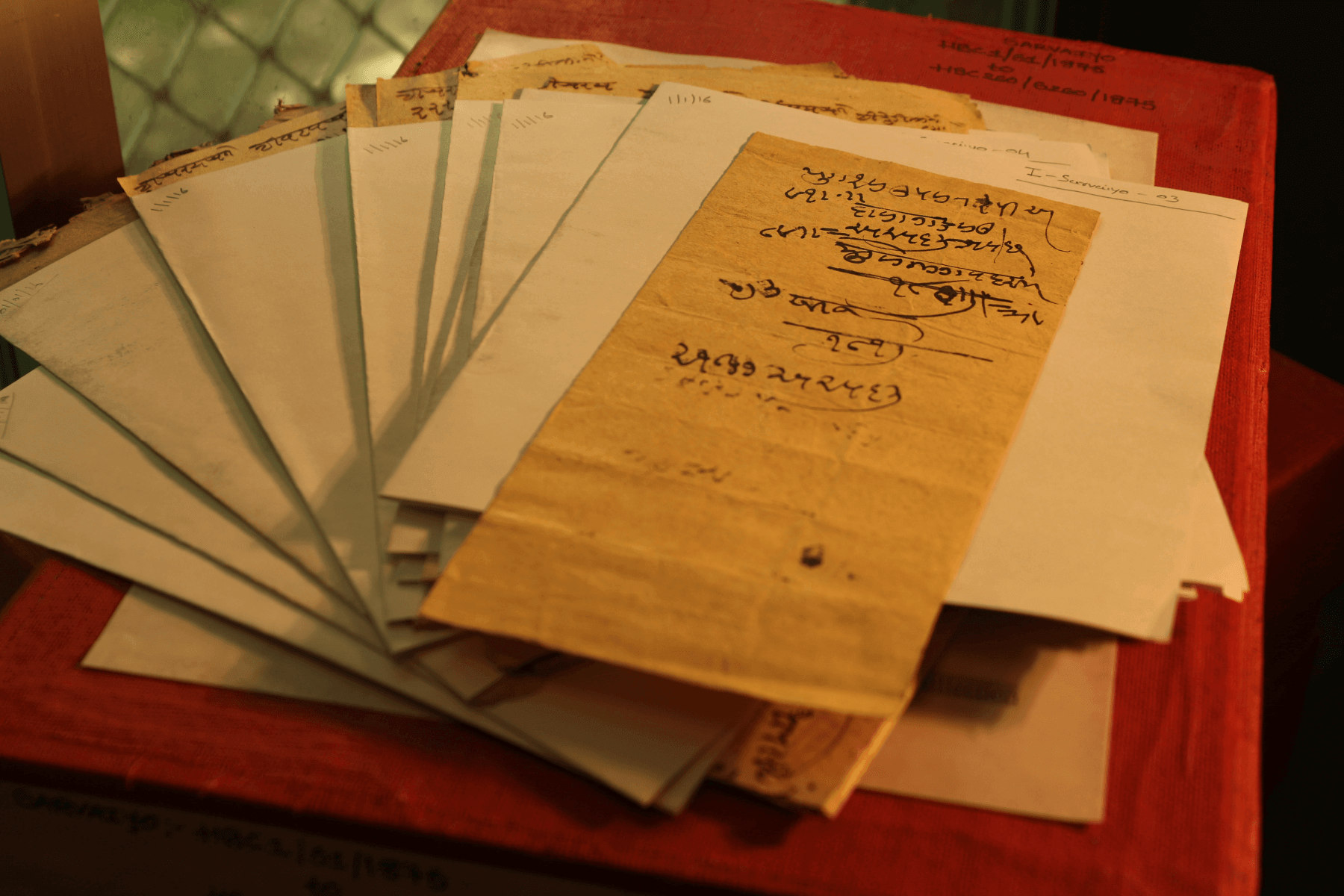
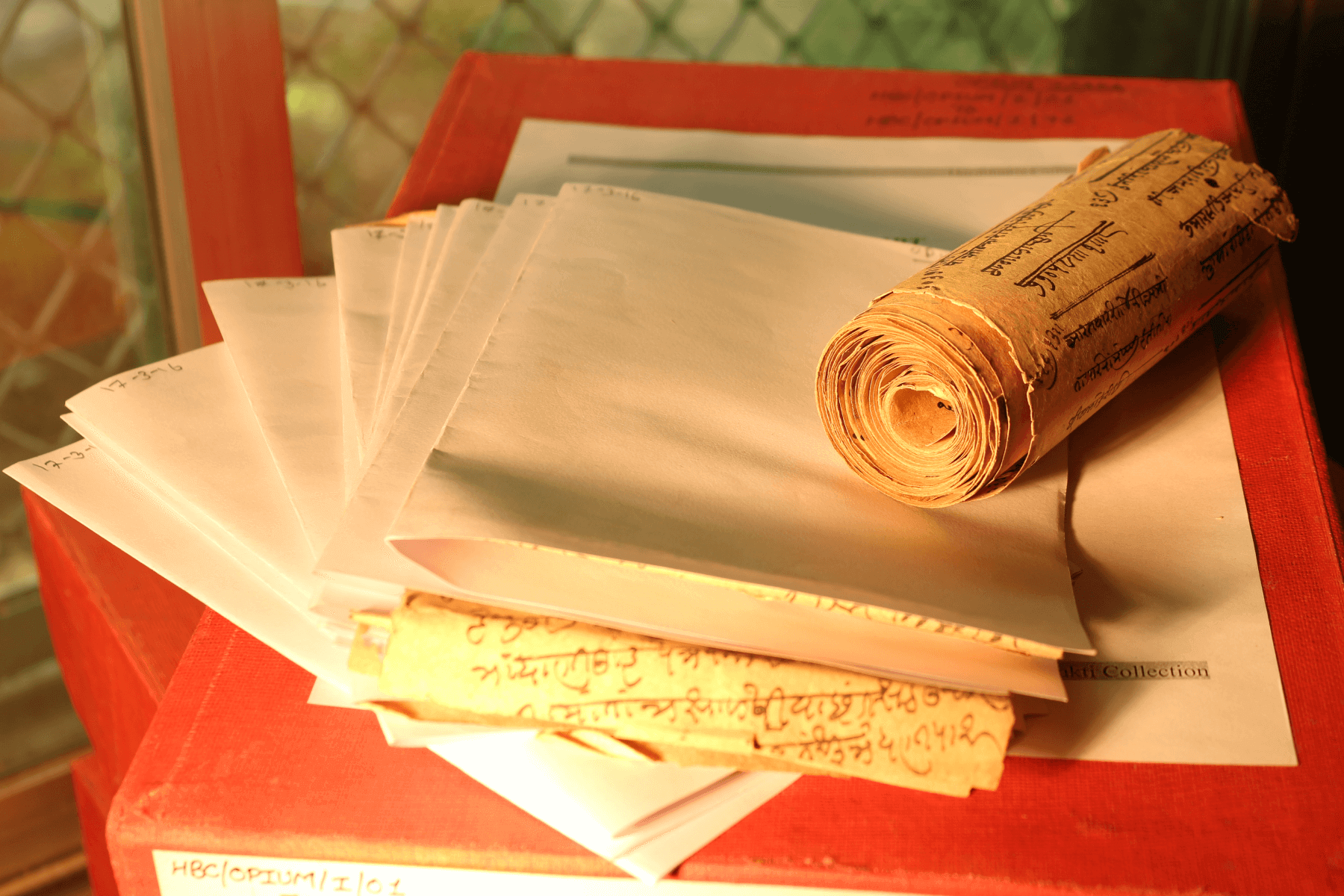
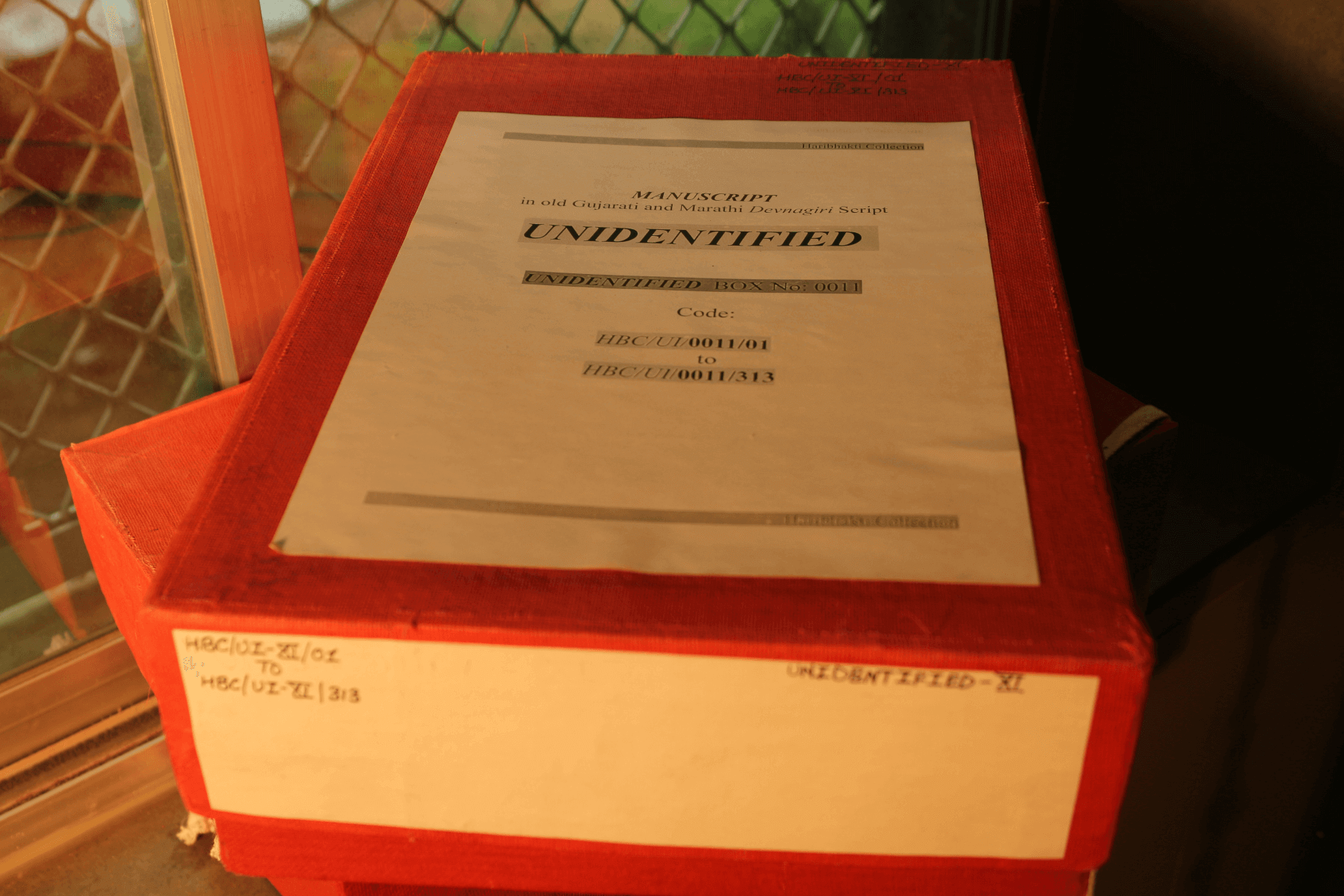
The Ishwar Haribhai Haribhakti Archives is a distinguished repository of manuscripts spanning from 18th to 20th centuries. This rare and valuable collection offers unparalleled insights of the role of Haribhai and Bhaktidas in the financial systems of the Peshwas of Pune and the Maharajas of Baroda, as well as the socio-political relationships between the Peshwas, the Gaekwads and the broader populace.
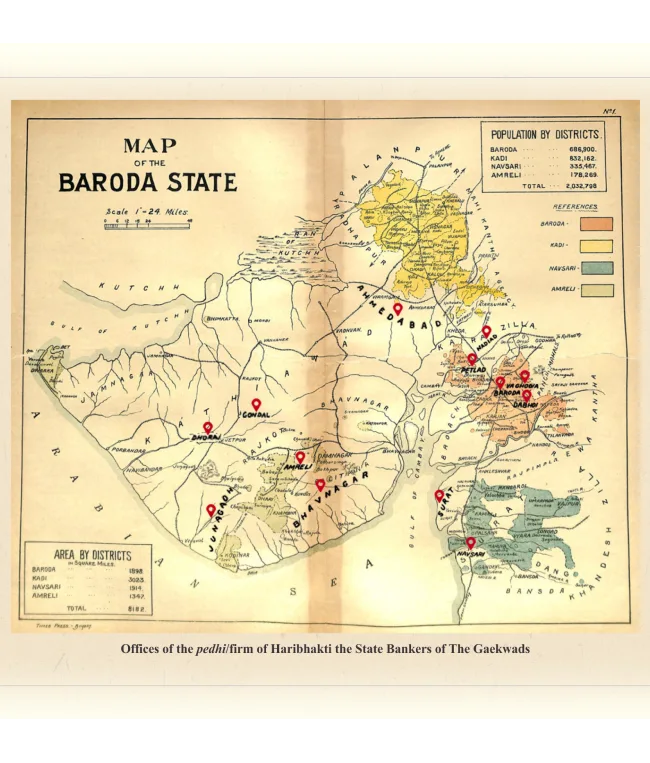
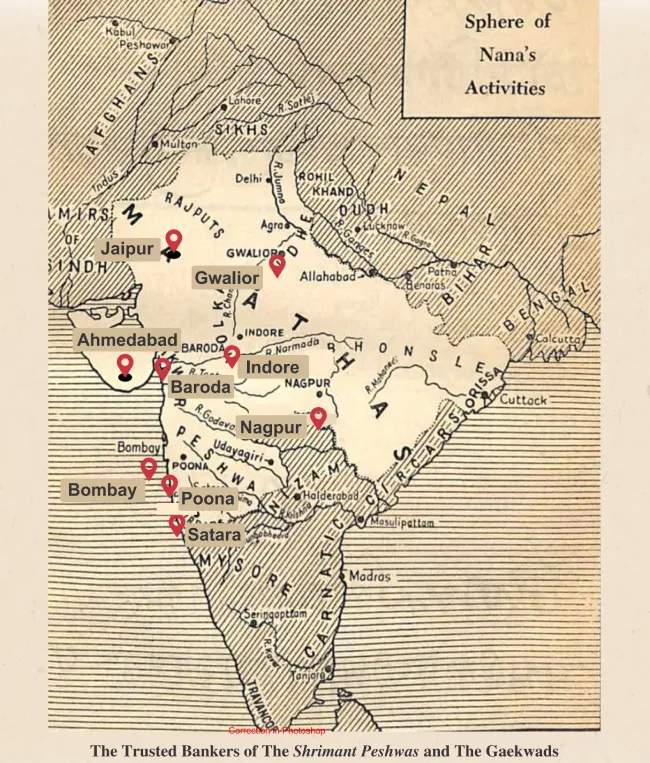
The Archives chronicle the activities of merchants, traders, and bankers across Maharashtra, Gujarat, Madhya Pradesh, and Rajasthan uncovering a vibrant network of commerce and finance that linked major towns and cities such as Pune, Bombay, Ahmedabad, Amreli, Surat, Petlad, Dhoraji, Gondal, Dharwad, Gwalior, Indore, Nagpur, Jaipur, Baroda, Jambusar, Navsari, Bharuch, Dakor, Dabhoi, Patan and Gandevi. These records highlight the multifaceted business operations that shaped regional economies over centuries.
Who we are
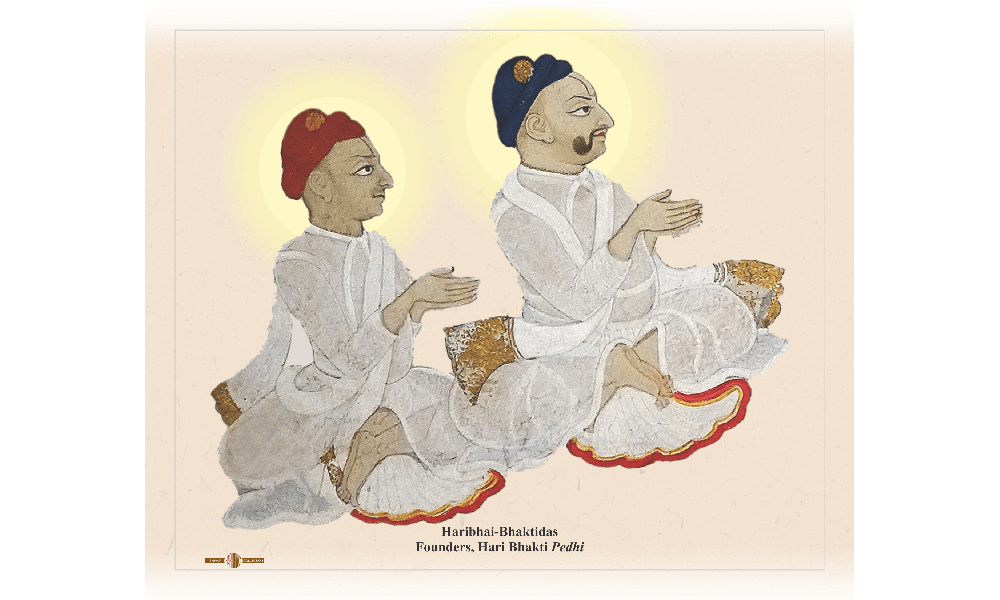
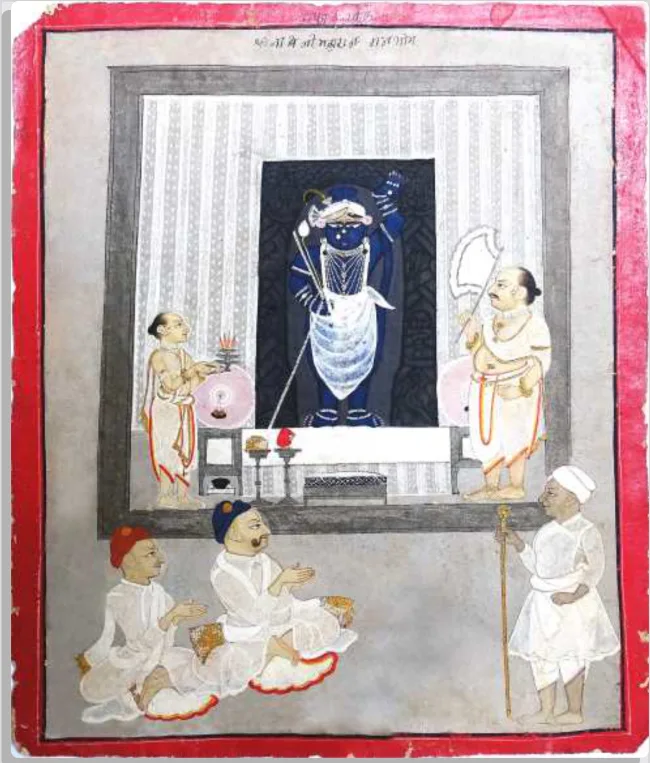
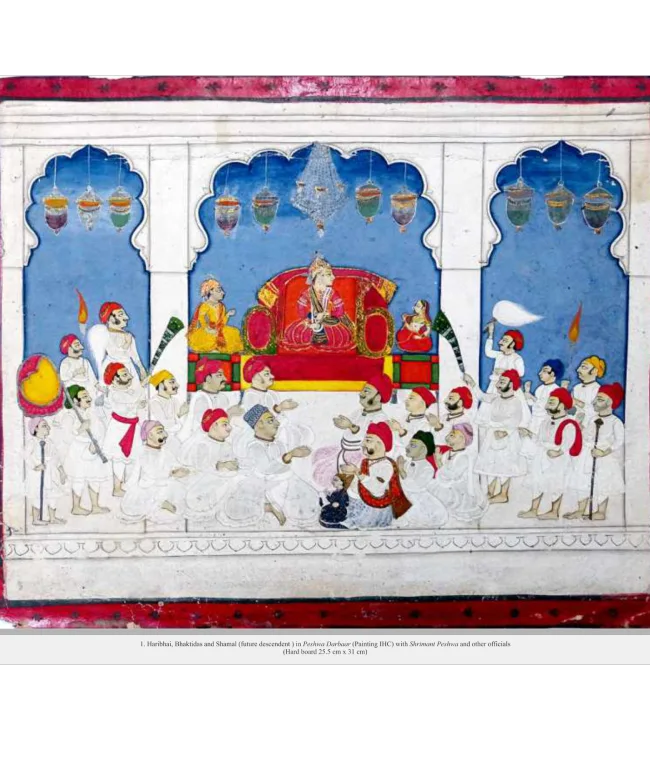
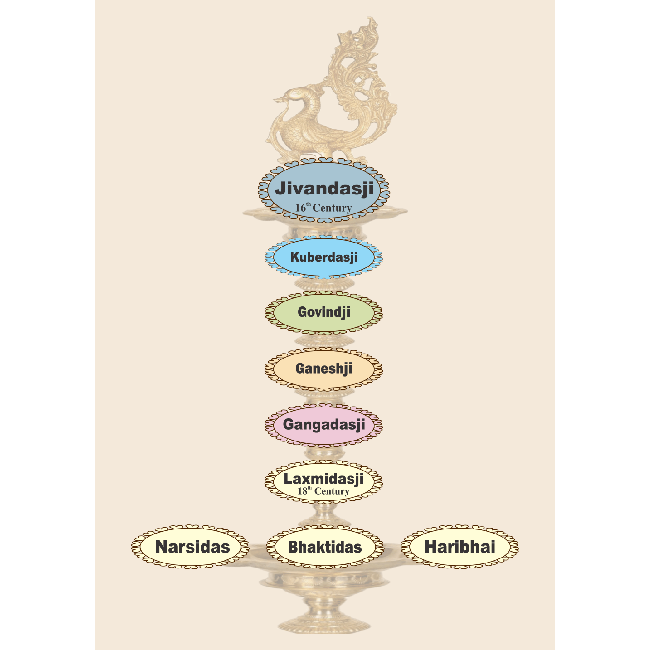
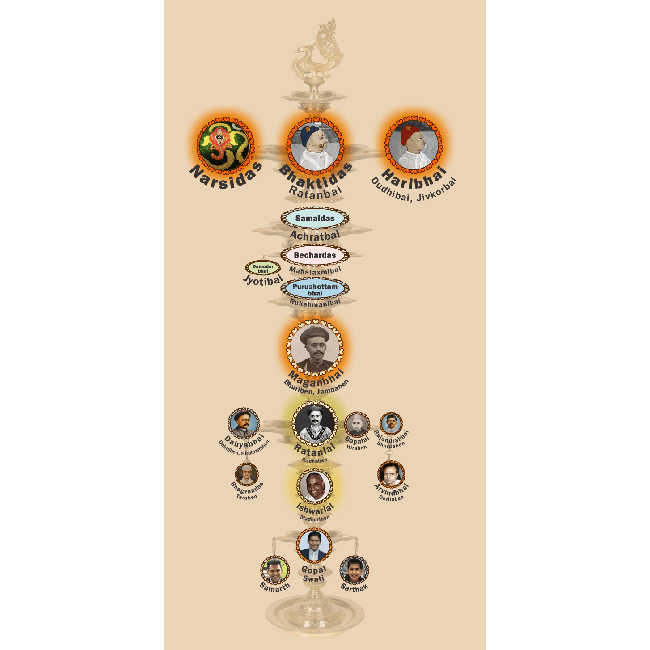
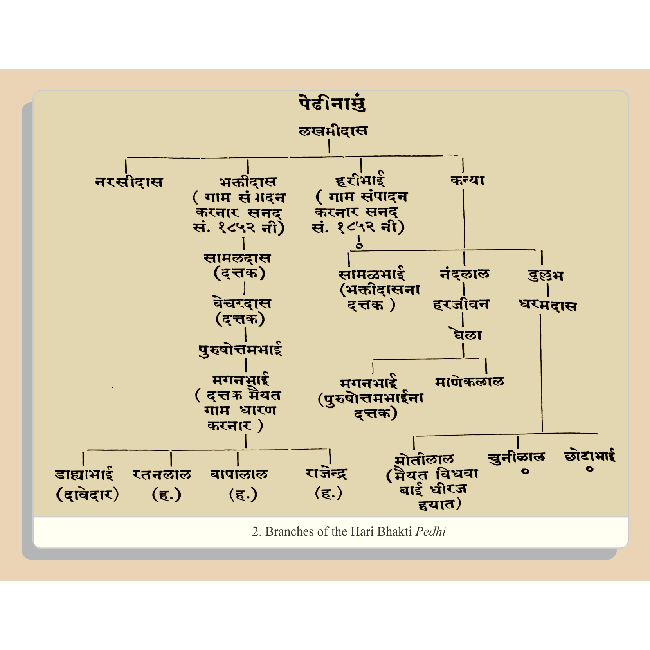
In 1730, Laxmidas Seth migrated from Manodhar to Baroda, accompanied by his brothers ~ Narsidas, Bhaktidas, and Haribhai. Laxmidas and Narsidas played a key role in establishing and expanding their finance and trading business in Baroda. By 1745, Haribhai and Bhaktidas moved to Pune to further develop their commercial ventures. Their growing success and reputation led to a close association with Nana Fadnavis (The then finance minister of Peshwas) and over time, they became prominent state financiers in the Peshwa court.
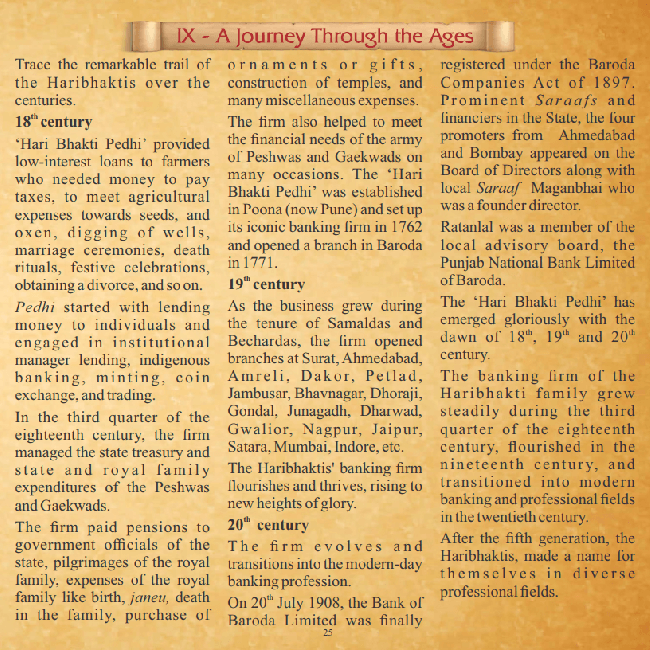
A mercantile bank was founded in Pune in 1762 by the brothers, Haribhai and Bhaktidas, named Hari Bhakti Pedhi, reflecting their names and their loyalty to Lord Vishnu (“Hari”) and “Bhakti” (devotion). Haribhai and Bhaktidas opened their Pedhi in Baroda from 1771. Hari-Bhakti emerged as the family surname “Haribhakti” as their descendants matured, symbolizing their financial and religious legacy.
The Haribhakti Family Histories
A Multigenerational Chronicle of Legacy and Leadership
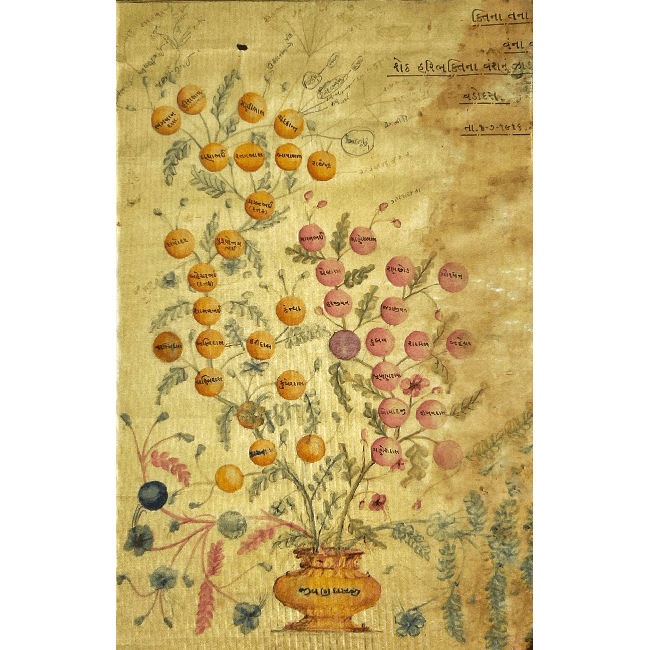
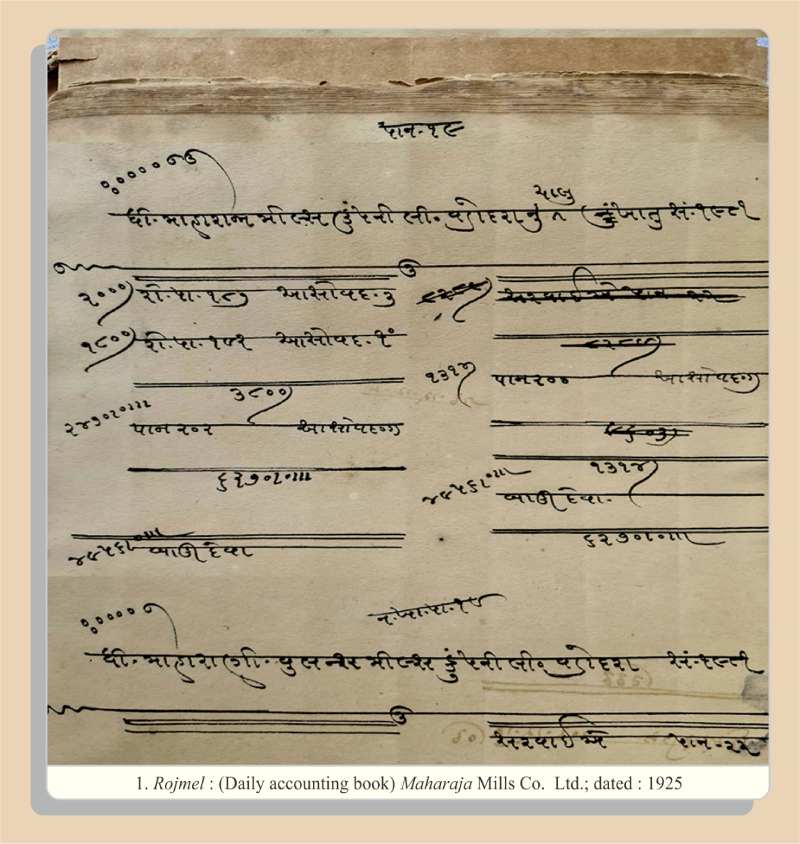
The Haribhakti family has preserved its rich legacy through a series of handwritten and printed history books, composed across different eras by prominent family members. These volumes are written in Gujarati, Marathi, and English. These document describe the family’s genealogy, social contributions, financial enterprises, and cultural engagements.
Each book/document reflects the perspective and priorities of its time. These documents offer a layered narrative of the Haribhakti family’s evolution from landholding and banking to religious patronage and public services. It was authored by respected figures such as Maganbhai Haribhakti and others. These texts serve as both personal memoirs and historical records.These documents reveal the soul of a family profoundly connected to the historical landscape of Western India.
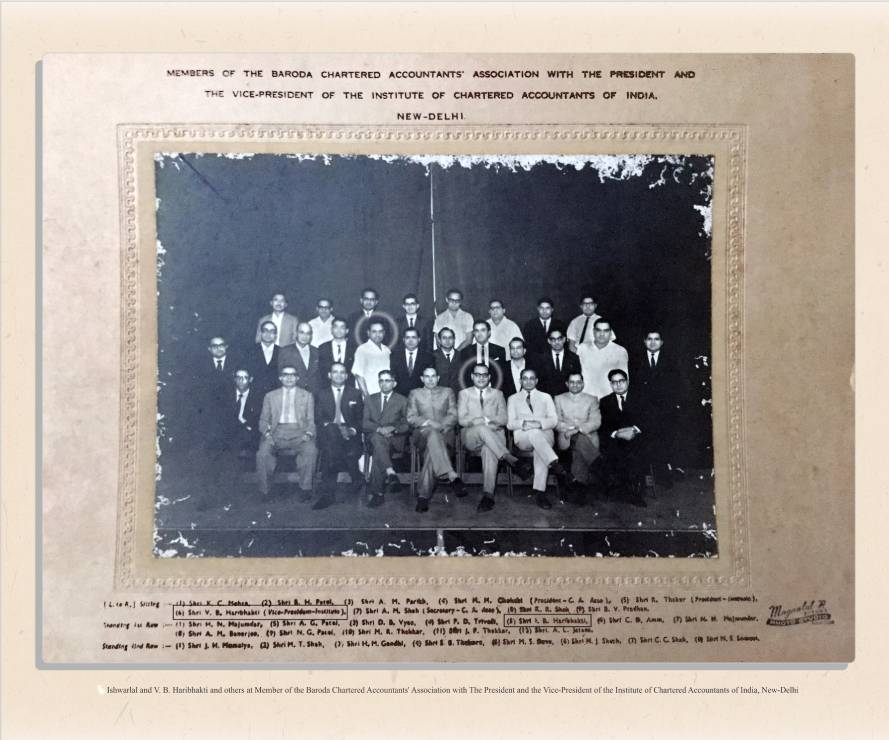
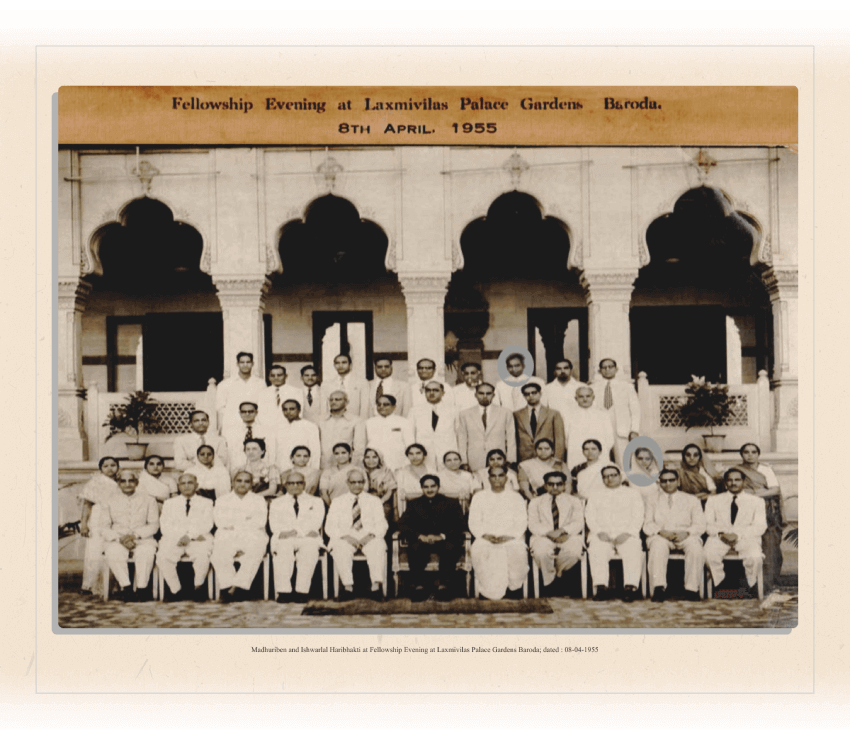
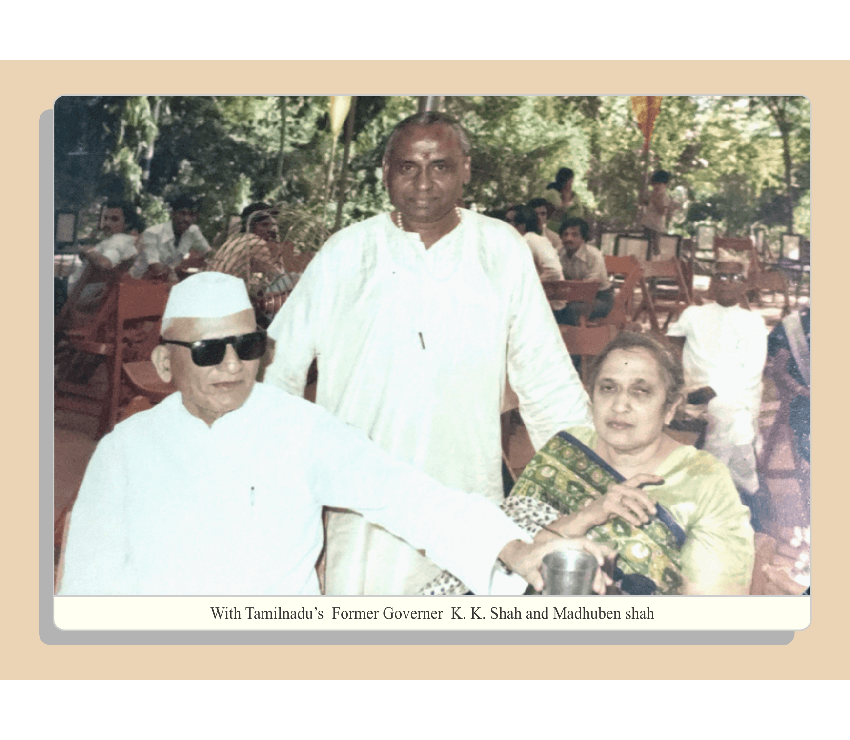
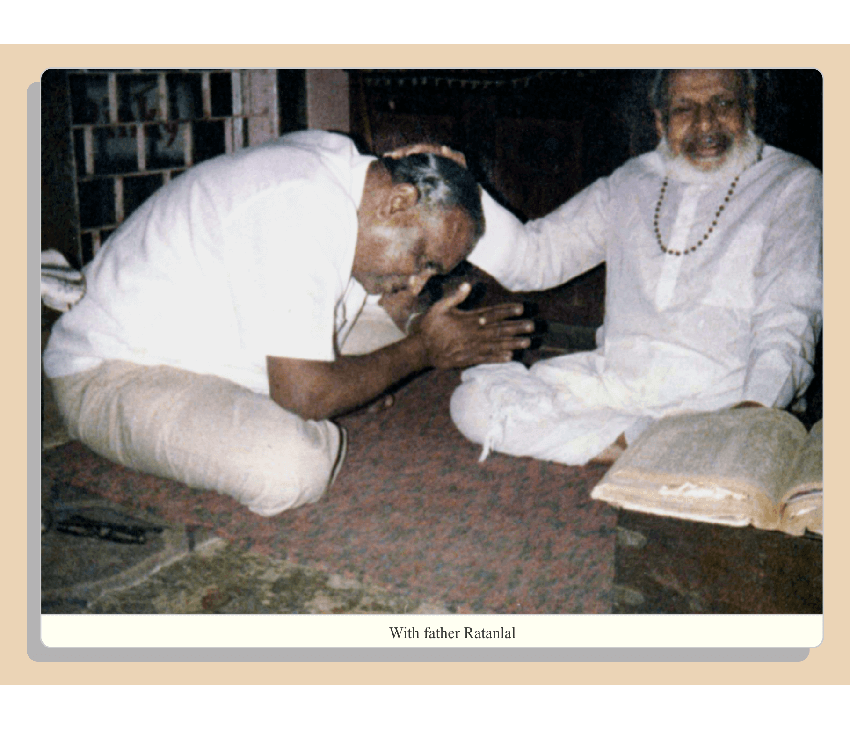
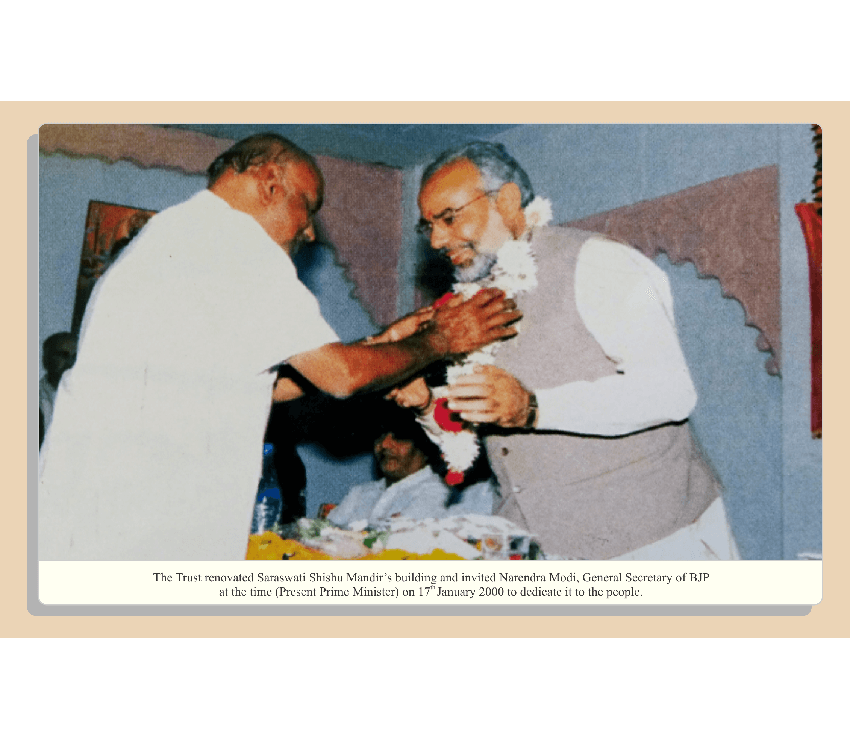
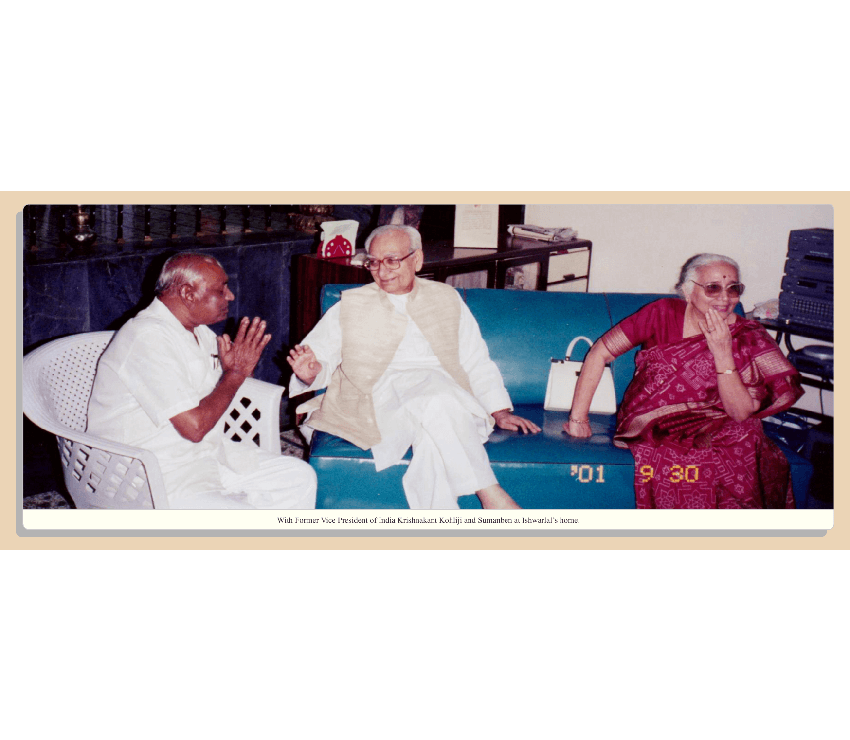
A Compassionate Visionary: Ishwarlal Ratanlal Haribhakti
A compassionate and visionary individual, Ishwarlal Haribhakti exemplified the spirit of service, enterprise, and generosity throughout his life. Born into the distinguished Haribhakti family, he was the third son of Ratanlal, a man of deep faith and values. From a young age, Ishwarlal inspired confidence in his father, who hoped he would carry forward the family’s legacy of integrity, tradition, and community service.
After India’s independence, the traditional activities of Haribhakti Pedhi was dissolved. Yet, from this transition emerged a new generation of leaders within the family—each successful in their own profession. Among them, Ishwarlal stood out as an of the exceptional force, transcending familial expectations and carving a unique path that blended professionalism, business acumen, and philanthropy.
Vision & Mission
The values and vision of the Haribhakti family continue to illuminate new paths of purpose and progress.
Vision
The Ishwar Haribhakti Archives envision a future where the history, values, and achievements of the Haribhakti family are preserved, celebrated, and made accessible to inspire generations to come.
Mission
The Ishwar Haribhakti Archives serve as a gateway for scholars, researchers, and history enthusiasts to explore the rich and multifaceted legacy of the Haribhakti family—and their broader contributions to India’s socio-economic and cultural fabric.
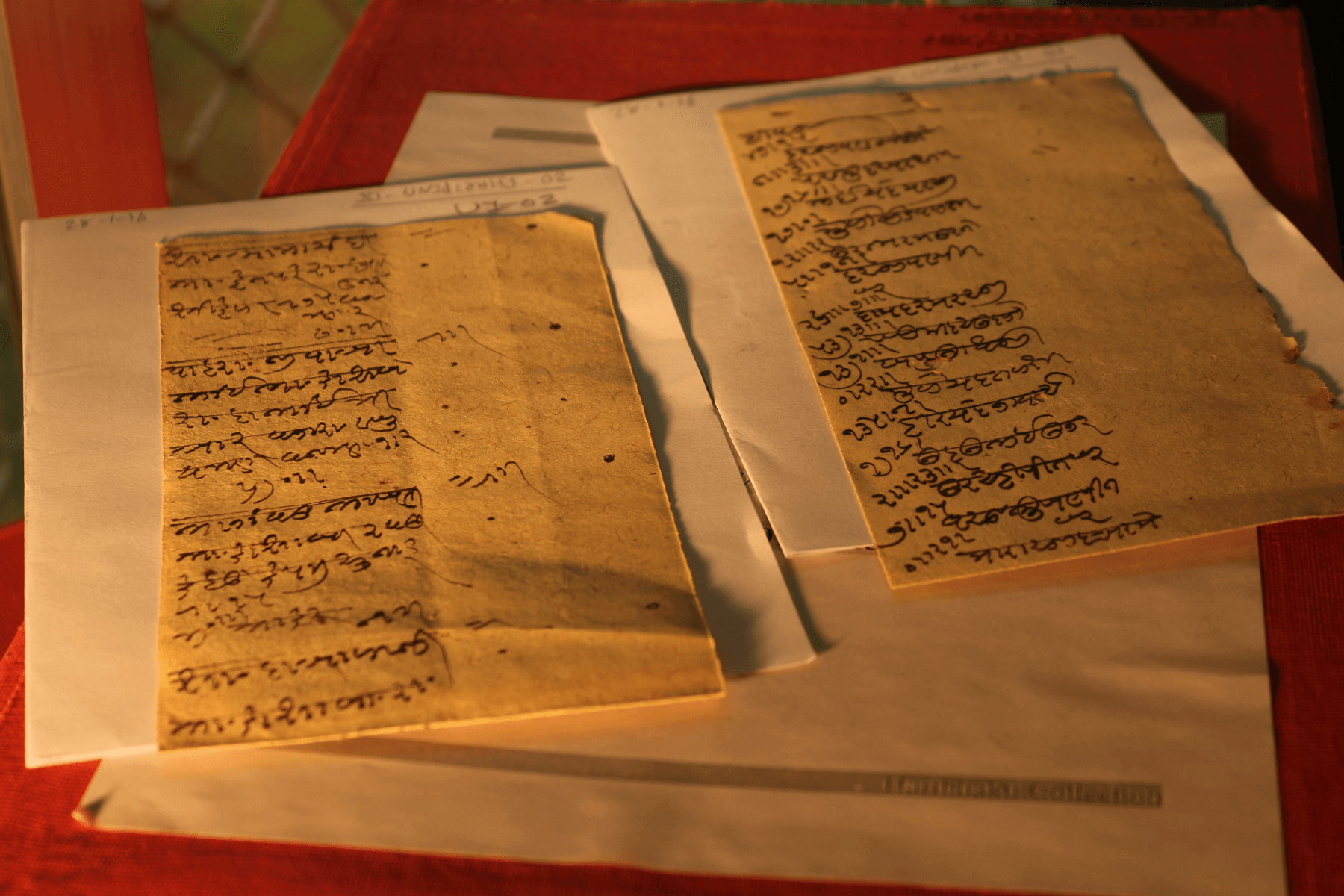
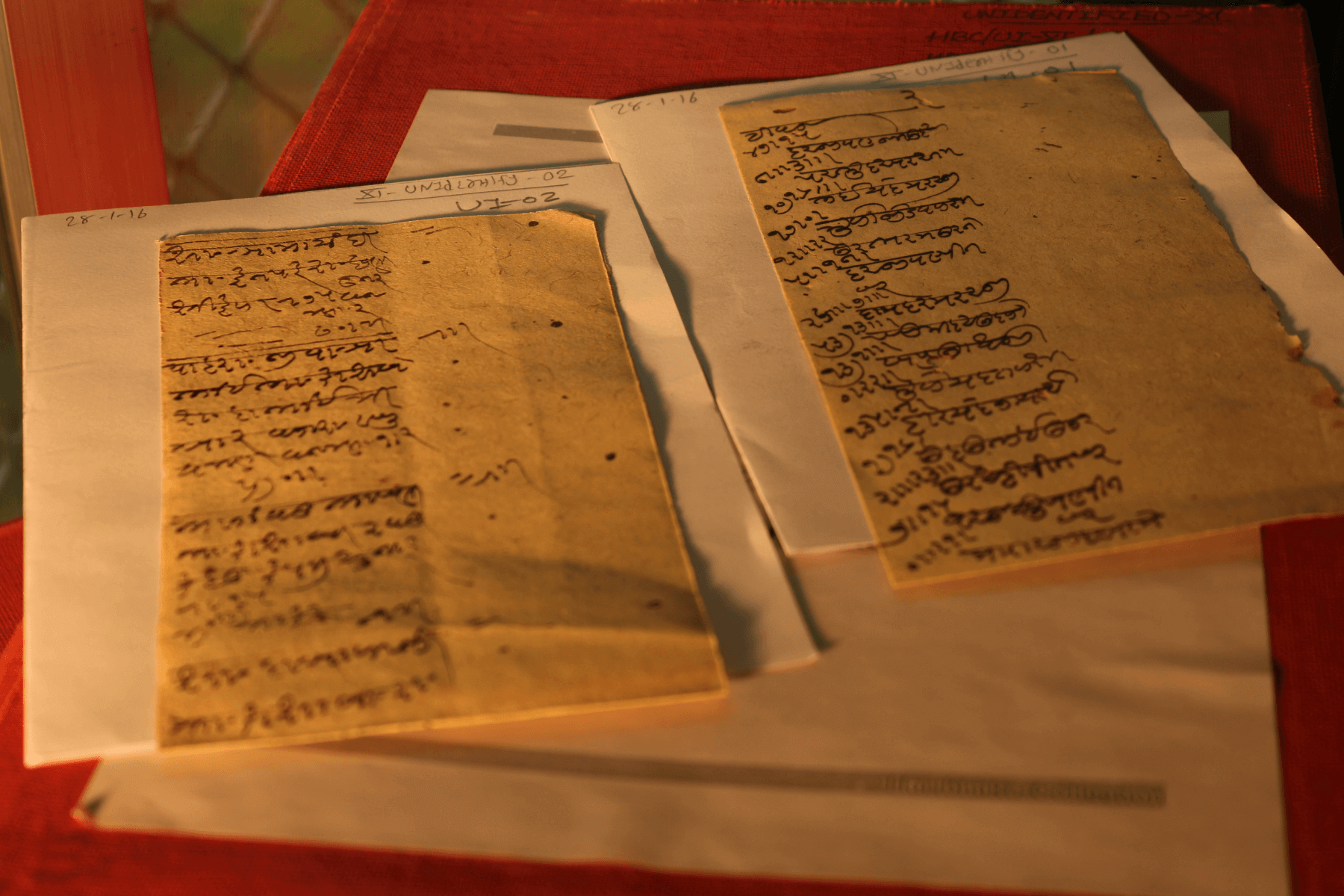
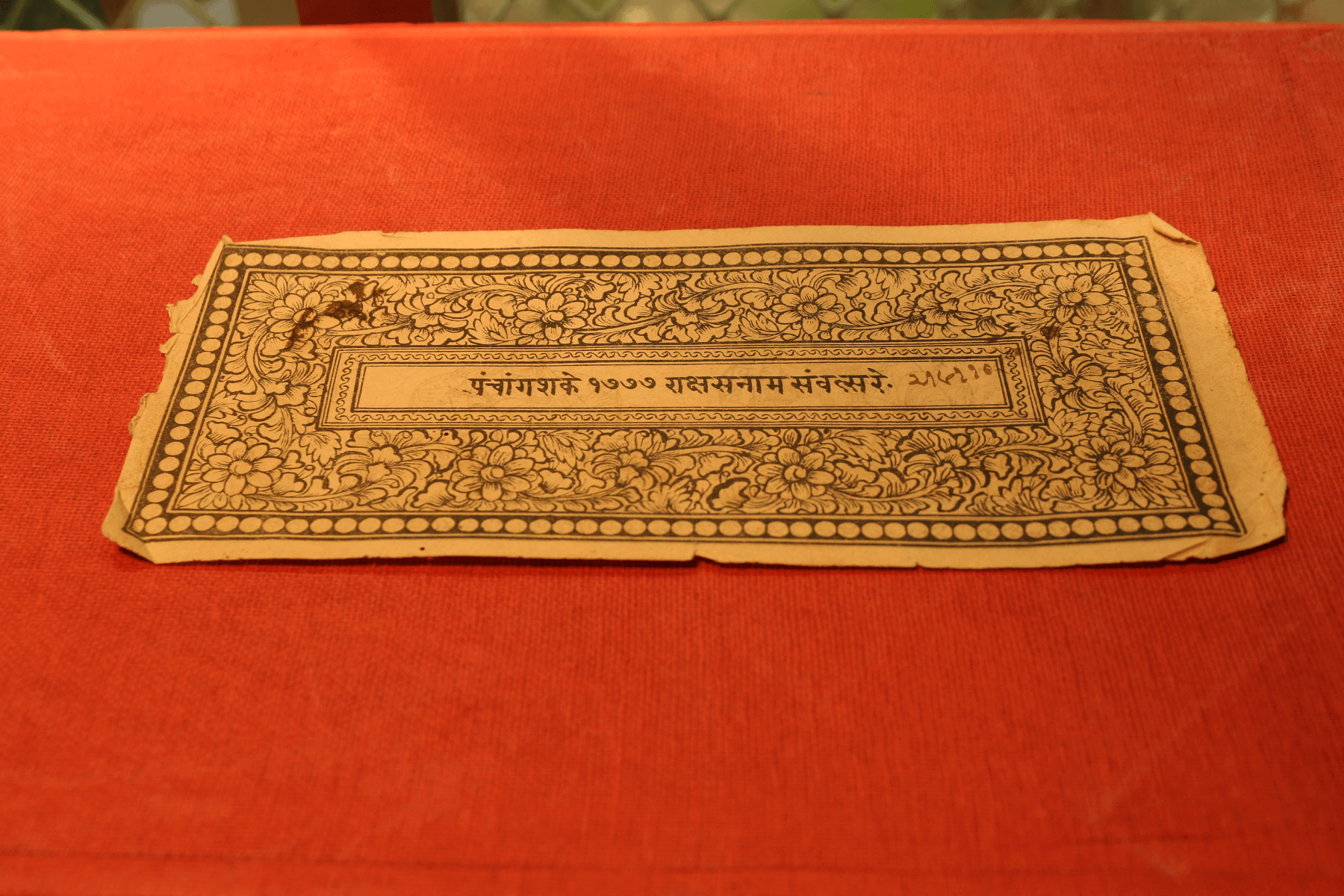
Haribhakti Centre for Historical Research and Studies (HCHRS)
For generations, our family has been deeply rooted in the intellectual, financial, and cultural life of Western India. The establishment of the Haribhakti Centre for Historical Research and Studies (HCHRS) stands as a continuation of that legacy. Our commitment to preserving knowledge, nurturing scholarship, and making accessible the vast historical records that shaped the economic and social landscape of Baroda and beyond.
The Haribhakti Centre for Historical Research and Studies (HCHRS) is a specialized research and archival centre dedicated to the study, preservation, and dissemination of historical knowledge relating to
the socio-economic world of Western India.
Haribhakti The
Legend Book
Haribhakti -The Legend stands as a remarkable testament to scholarly devotion and historical preservation. Authored by Mrs. Swati Haribhakti, this extraordinary volume is the result of years of meticulous research, heartfelt dedication, and a deep reverence for her ancestral legacy. Through extensive archival exploration, personal interviews with extended family members, and visits to historically significant sites where the Haribhakti ancestors lived and worshipped, she unveils the rich tapestry of the Haribhakti banking dynasty.

General Questions
A historical collection documenting the Haribhakti family’s legacy, tracing their roots to the 18th century and their influence in finance, spirituality, and culture.
Founded in 18th-century Poona, it was a pioneering indigenous banking institution, central to the family’s rise in finance.
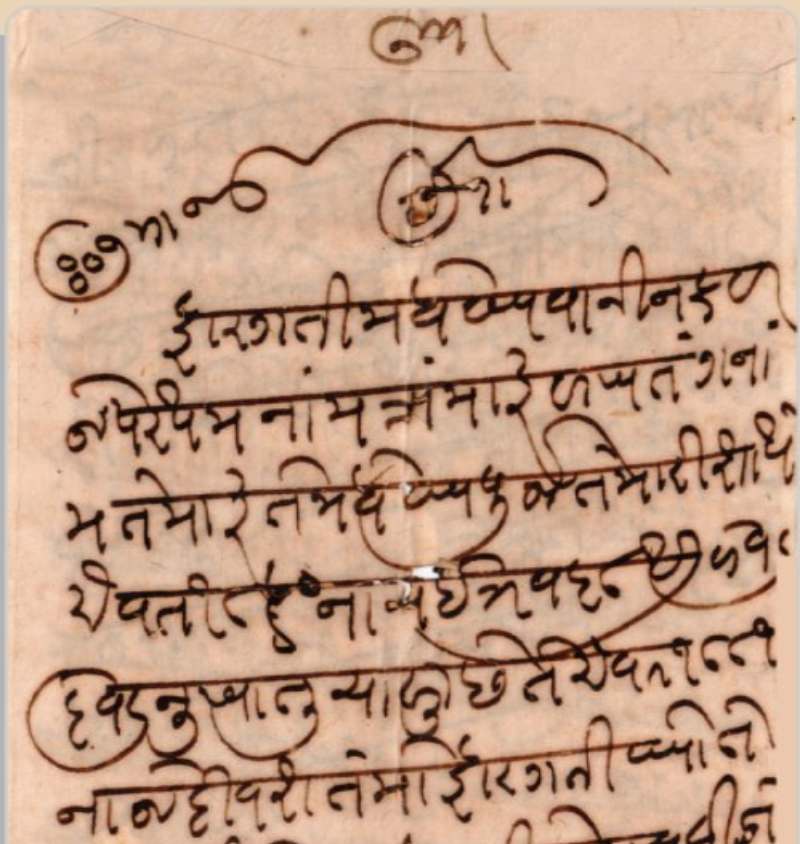
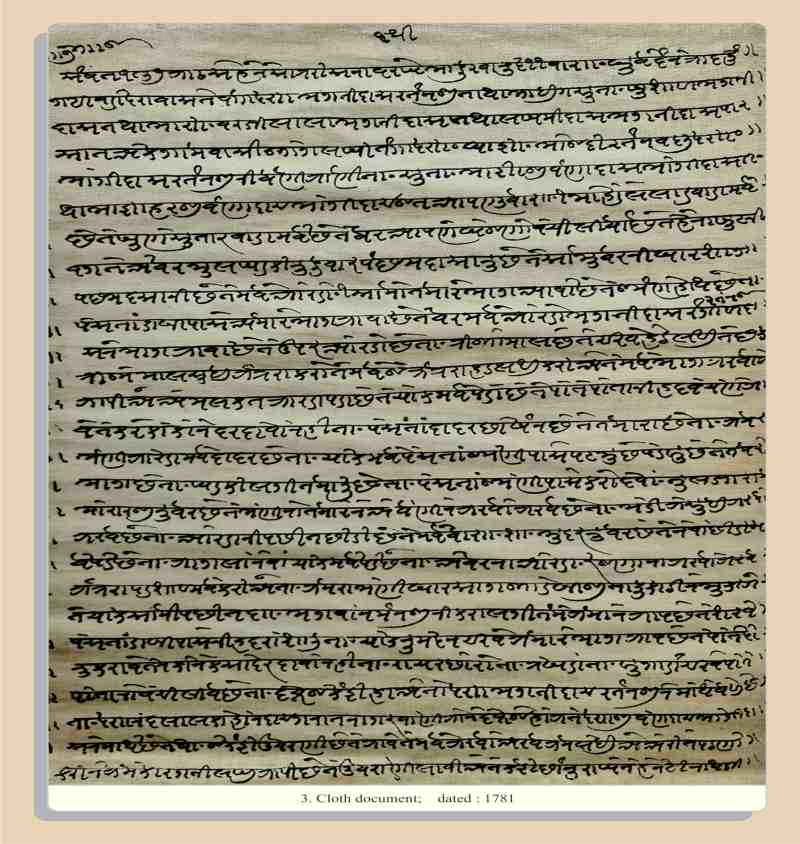
Accounting records, correspondence, photographs, awards, newspaper clippings, and manuscripts spanning the 18th–20th centuries.
They served as financiers to the Peshwas and Gaekwads, influencing regional economies and political developments.
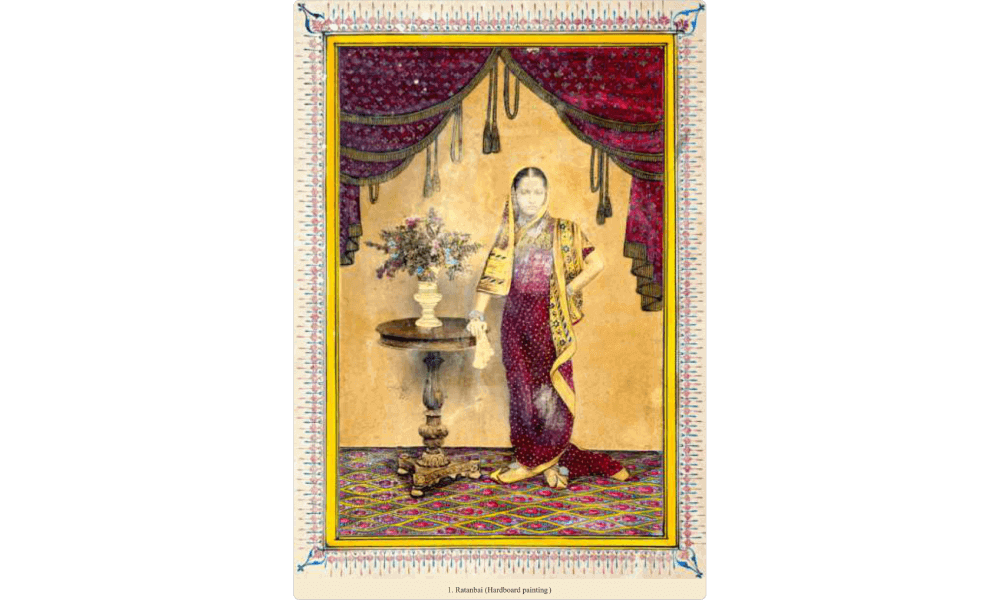
Women led construction of temples and dharamshalas across India, leaving behind a legacy of devotion and architectural patronage.
They offer rare insight into India’s evolving financial systems, trade networks, and governance—making them invaluable to researchers.