
Haribhakti Centre for
Historical Research and Studies (HCHRS)
For generations, our family has been deeply rooted in the intellectual, financial, and cultural life of Western India. The establishment of the Haribhakti Centre for Historical Research and Studies (HCHRS) stands as a continuation of that legacy. Our commitment to preserving knowledge, nurturing scholarship, and making accessible the vast historical records that shaped the economic and social landscape of Baroda and beyond.
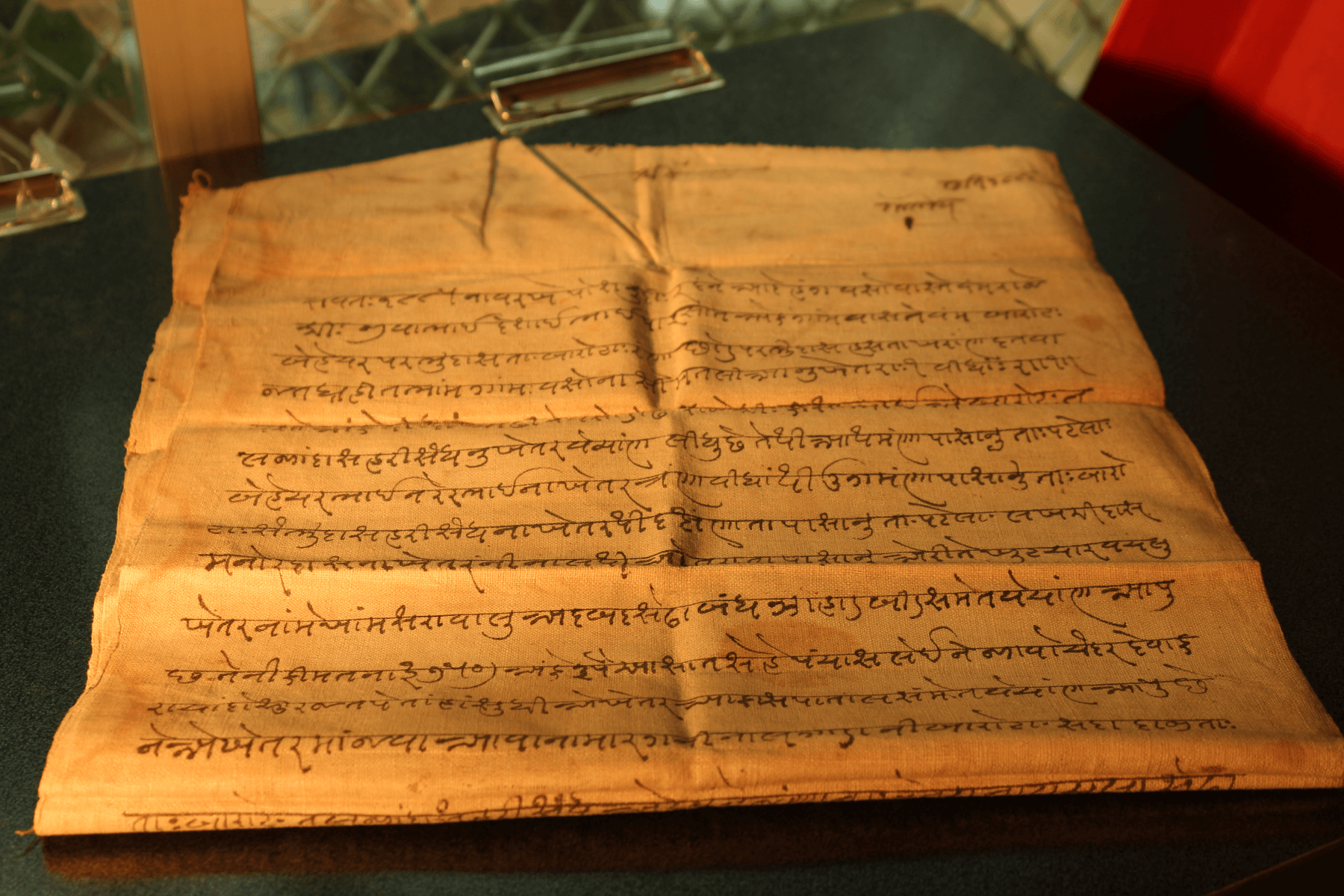
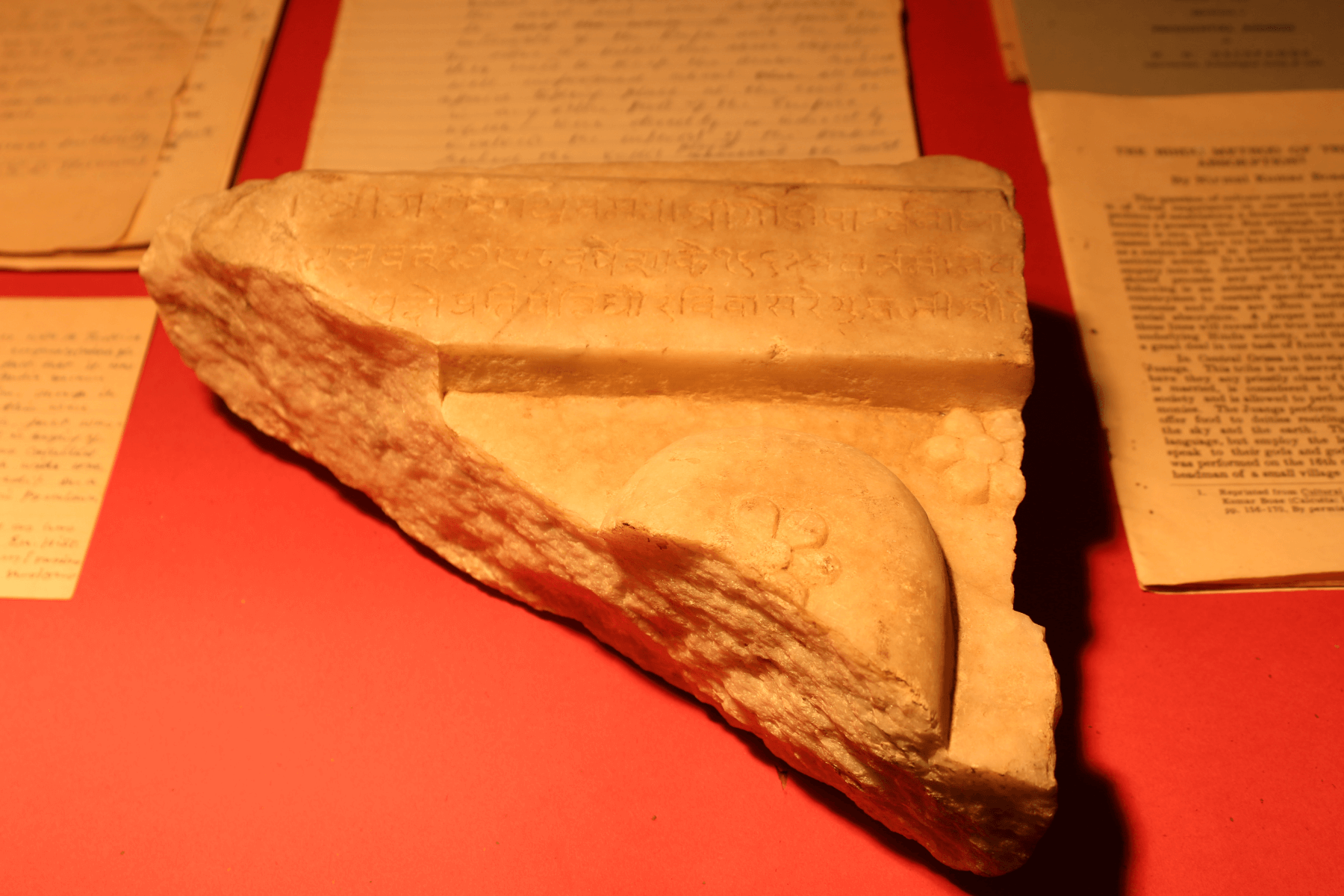
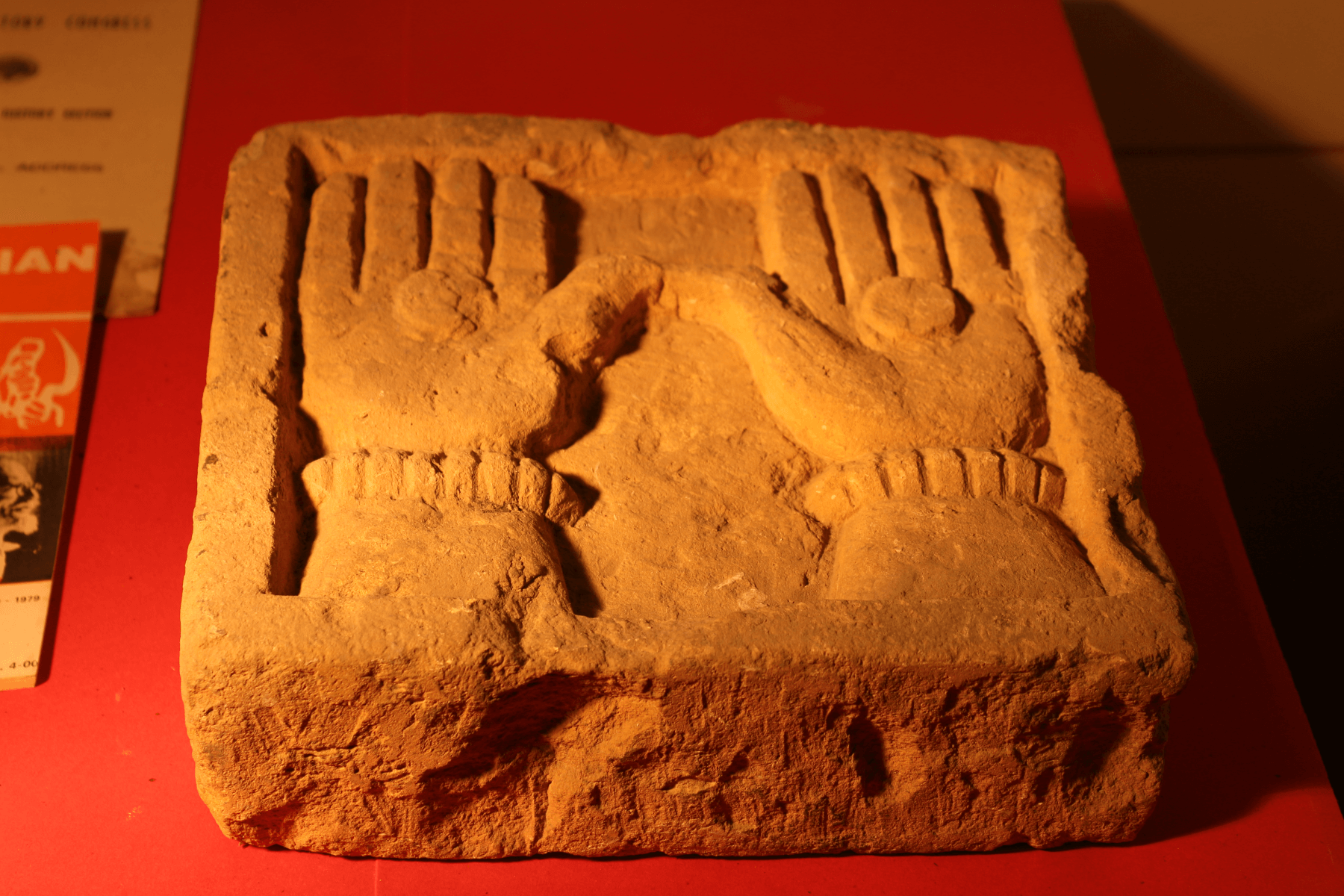
The Haribhakti Centre for Historical Research and Studies (HCHRS) is a specialized research and archival centre dedicated to the study, preservation, and dissemination of historical knowledge relating to the socio-economic world of Western India. Established in January 2015 within the Department of History, the Centre represents a collaborative initiative between the University and the Haribhakti Raneshwar Mahadev Sansthan Charitable Trust, Vadodara.
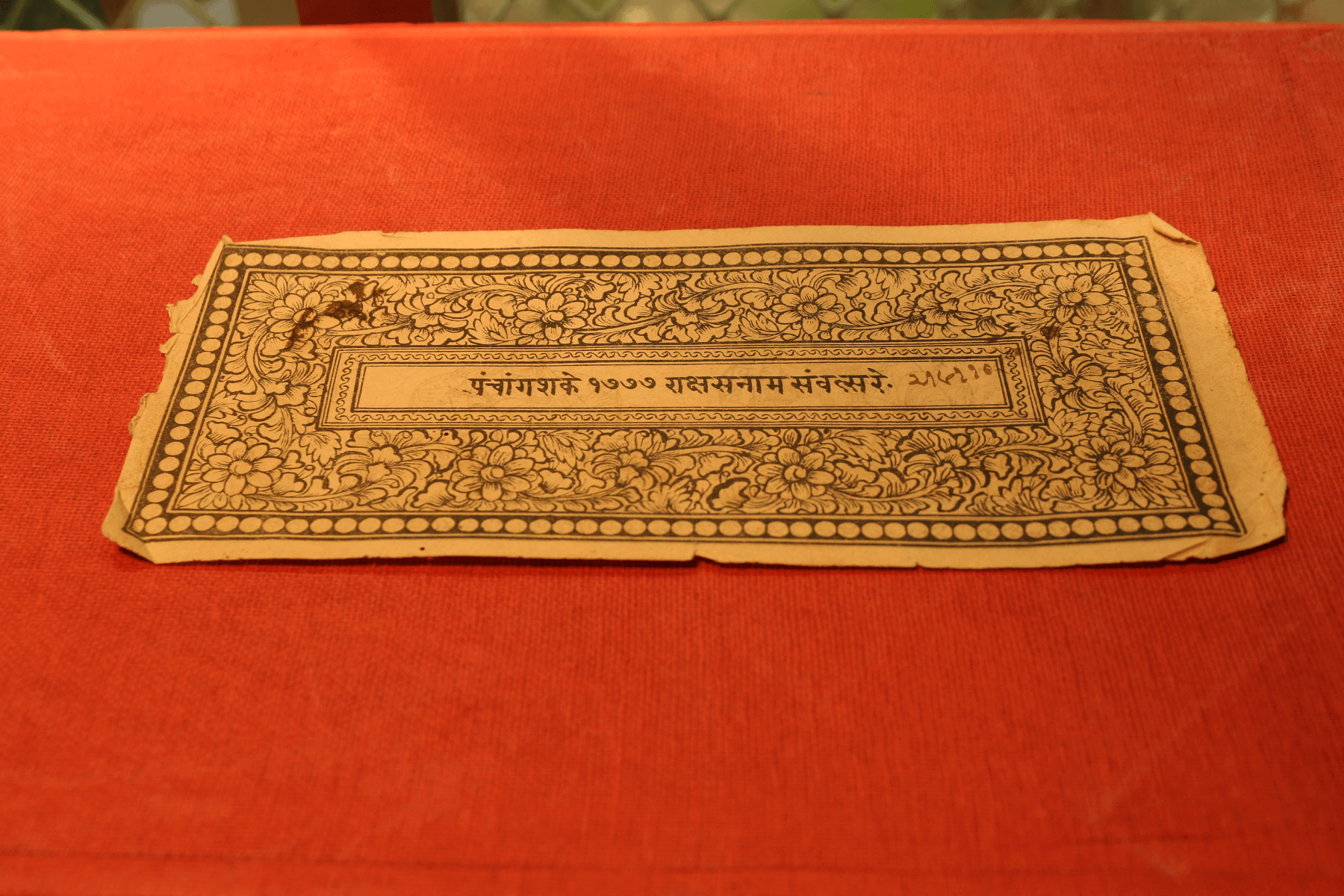
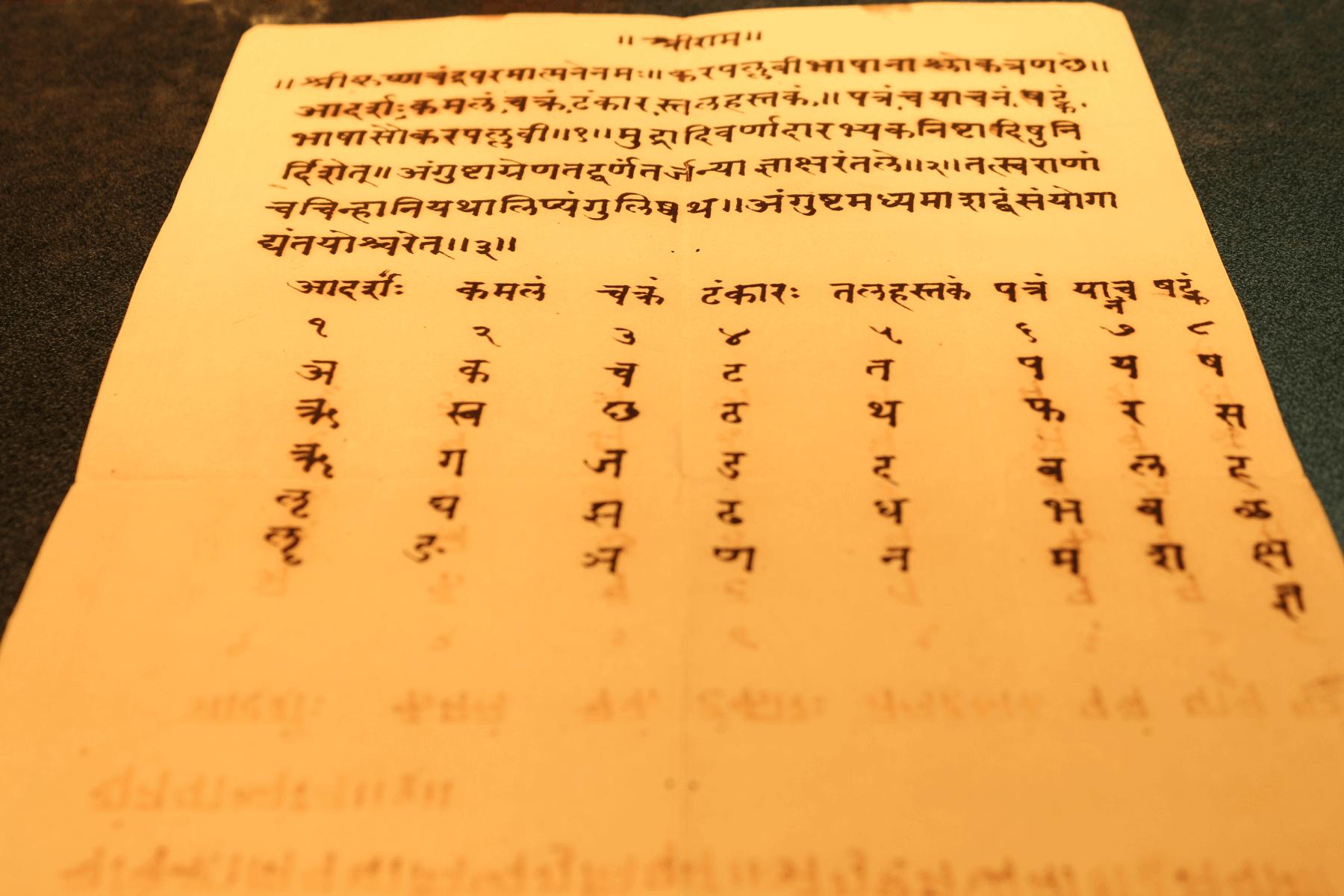
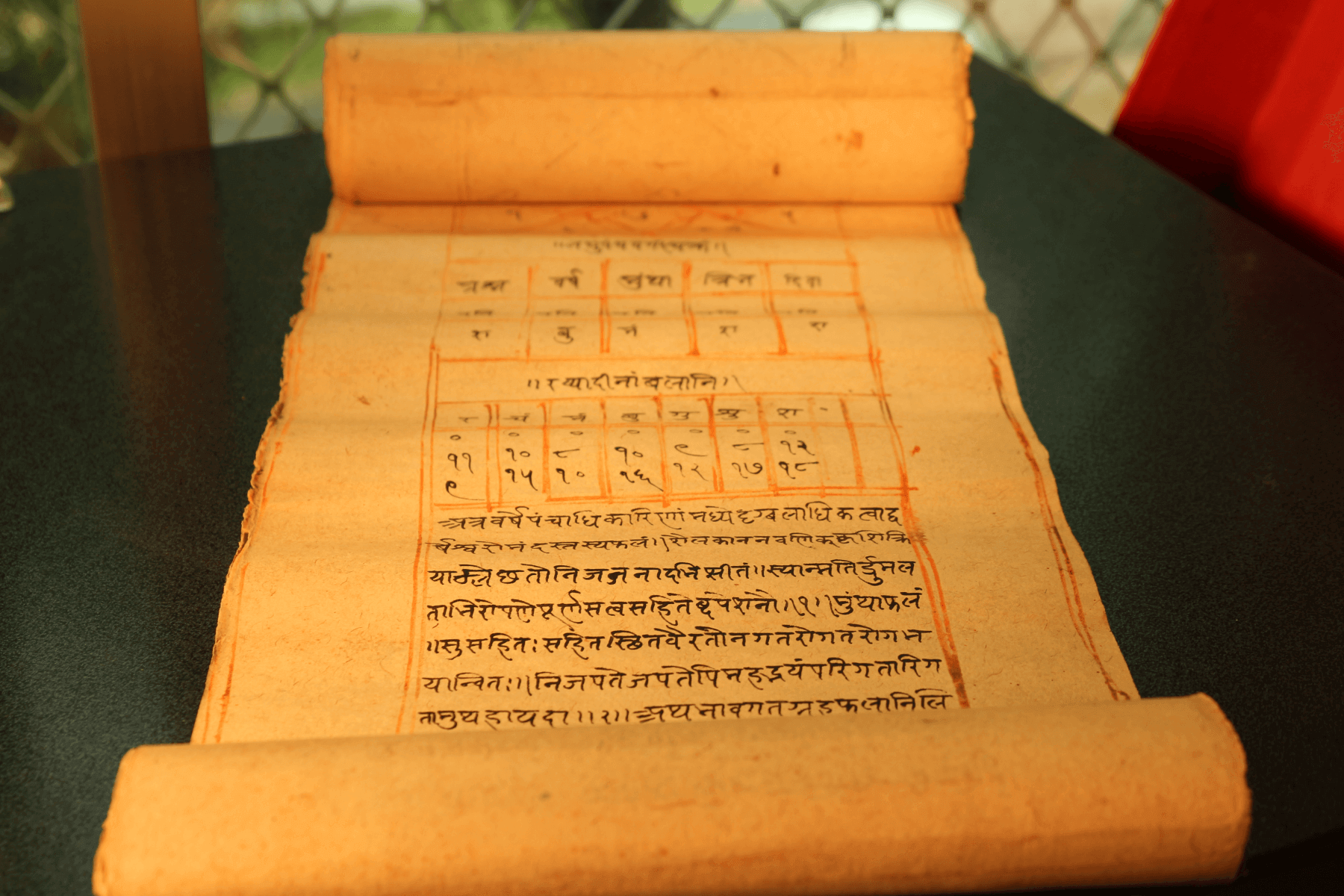
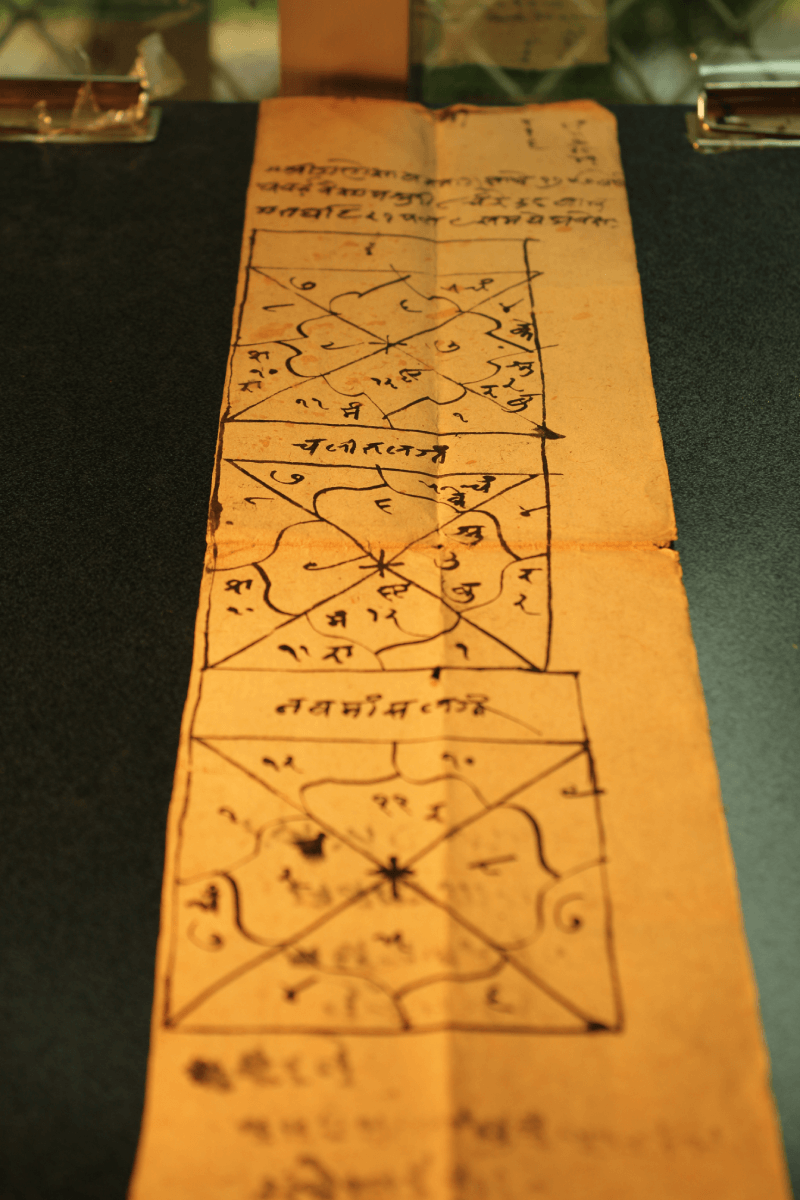
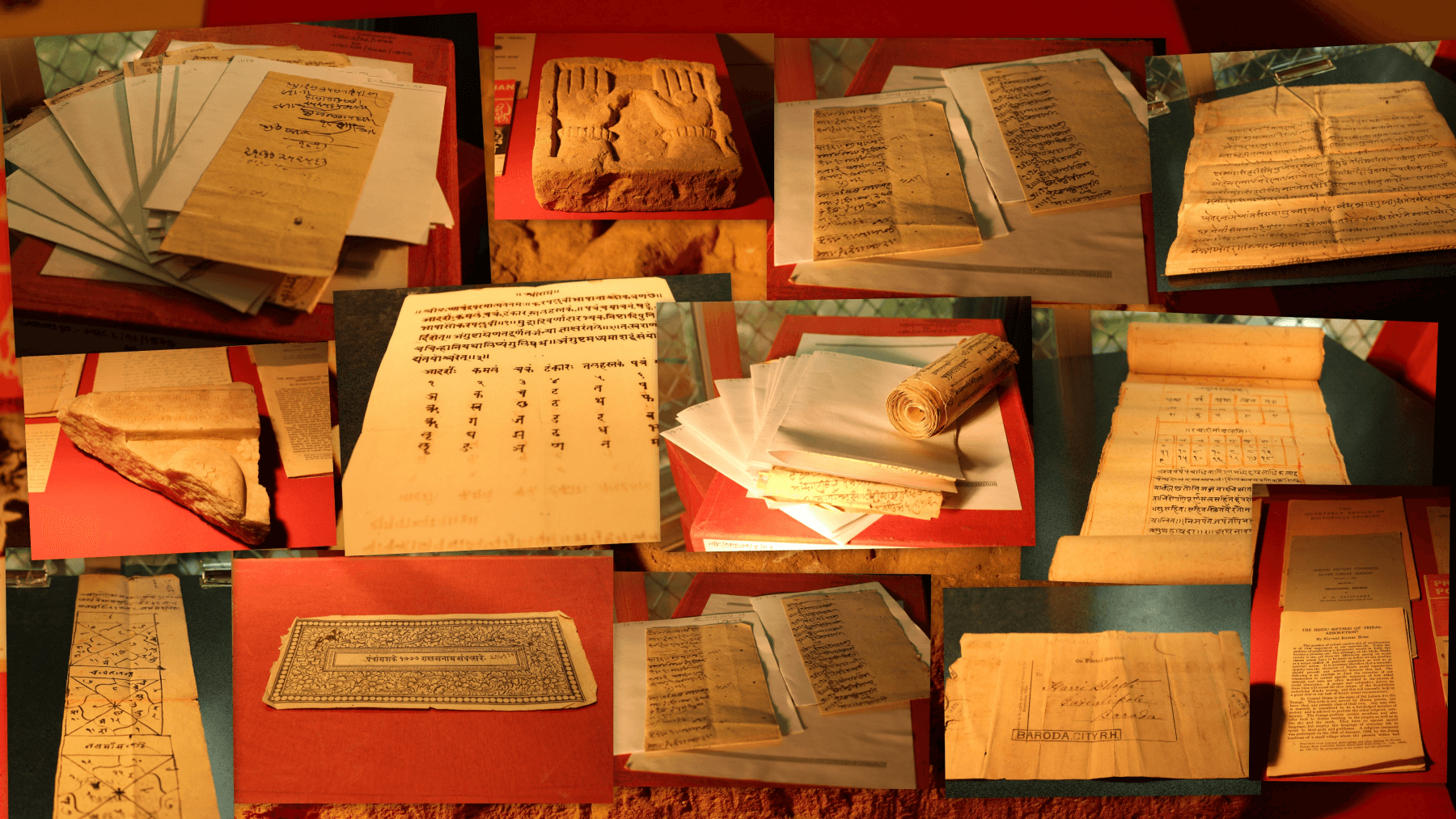
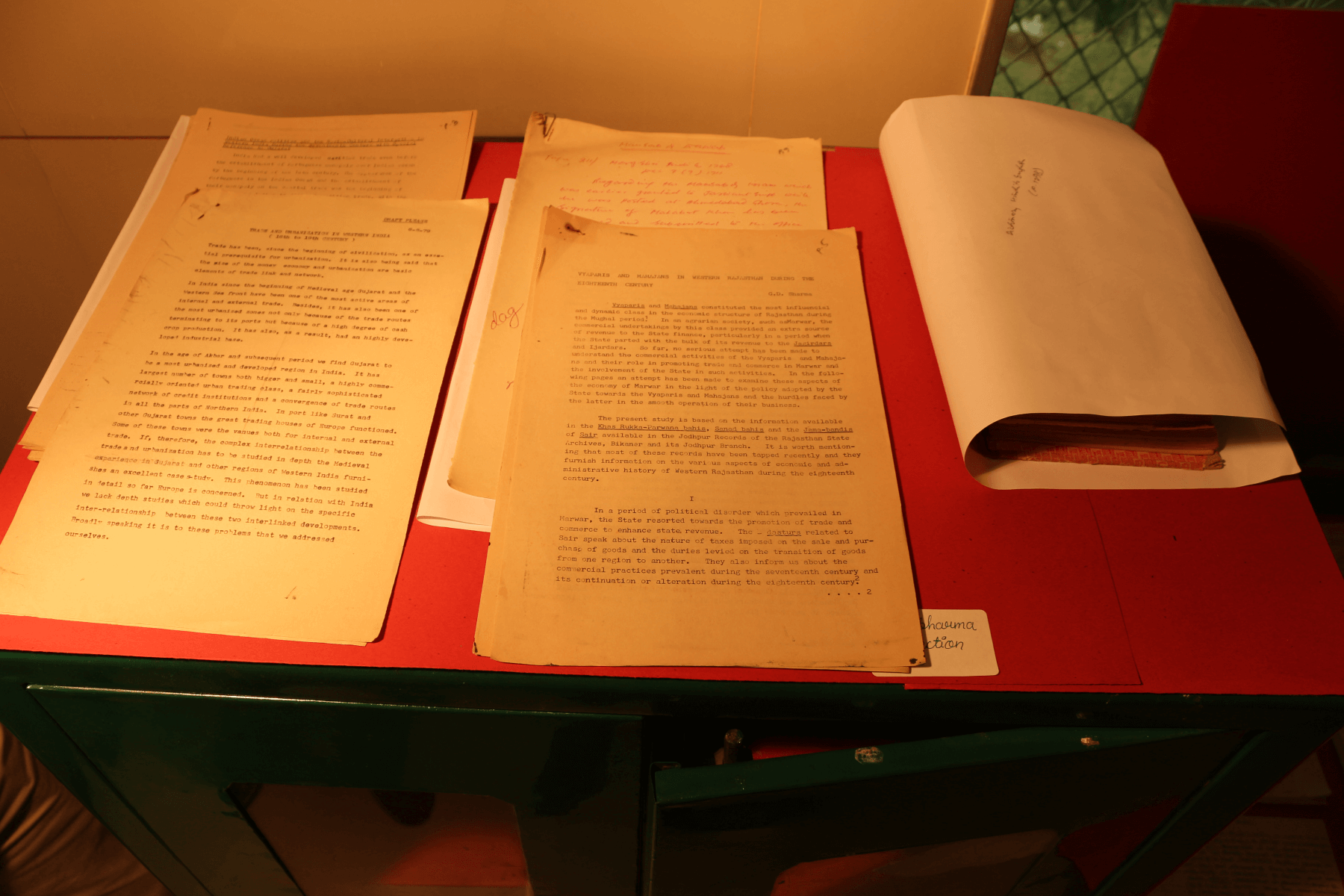
HCHRS serves as a bridge between rare manuscript collections preserved across generations by the Haribhakti family and the global community of scholars exploring India’s economic, cultural, and institutional past.

Origin:
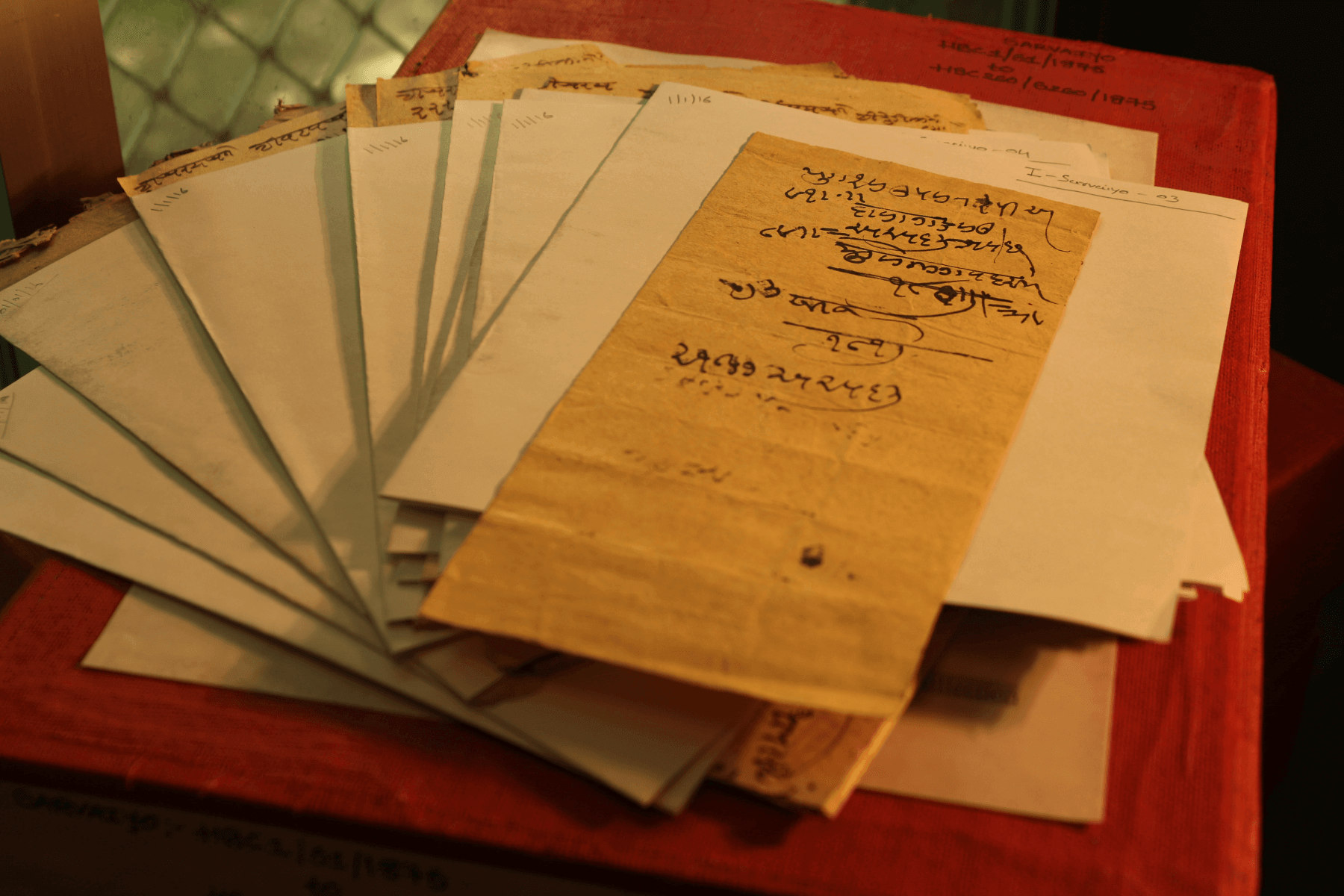
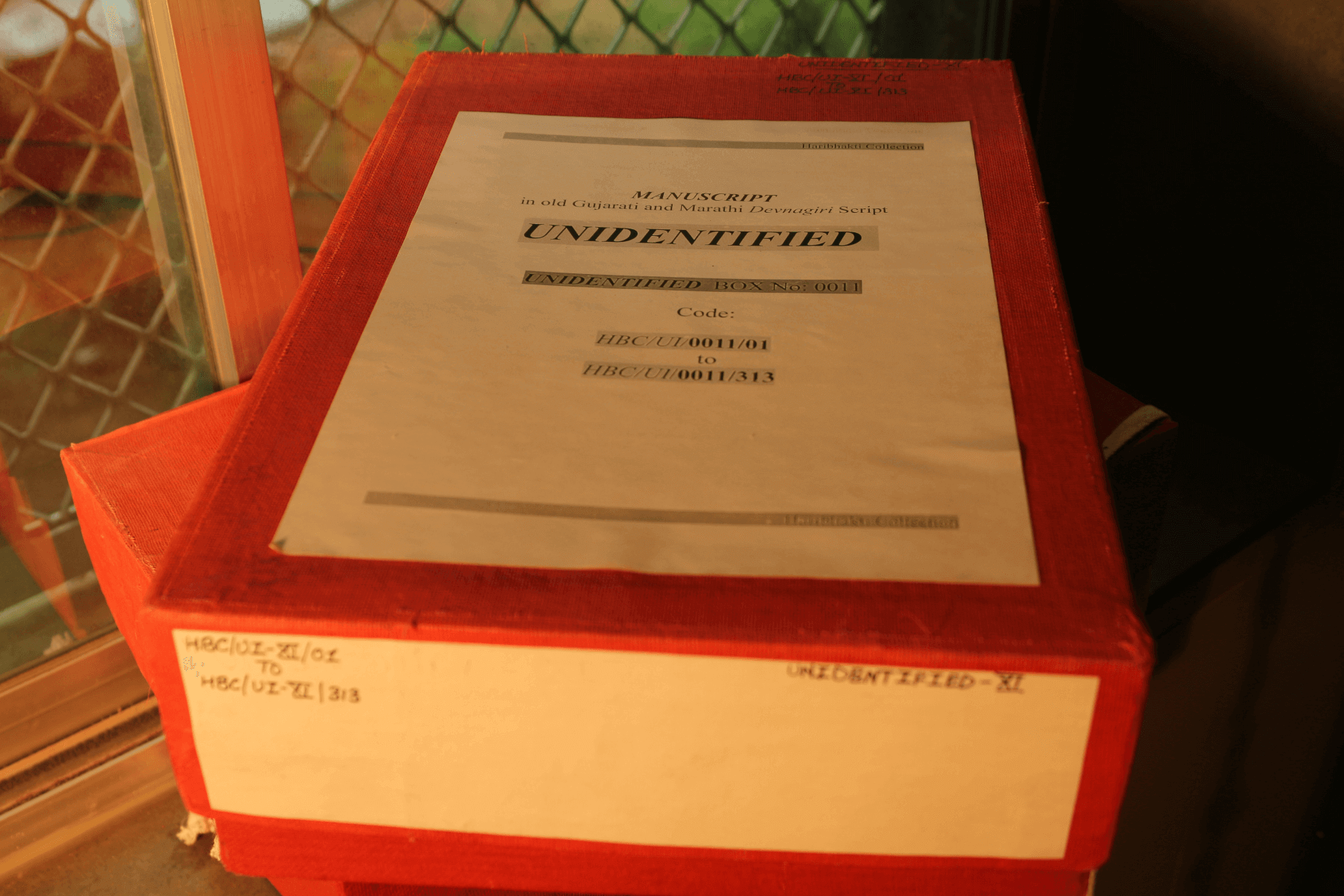
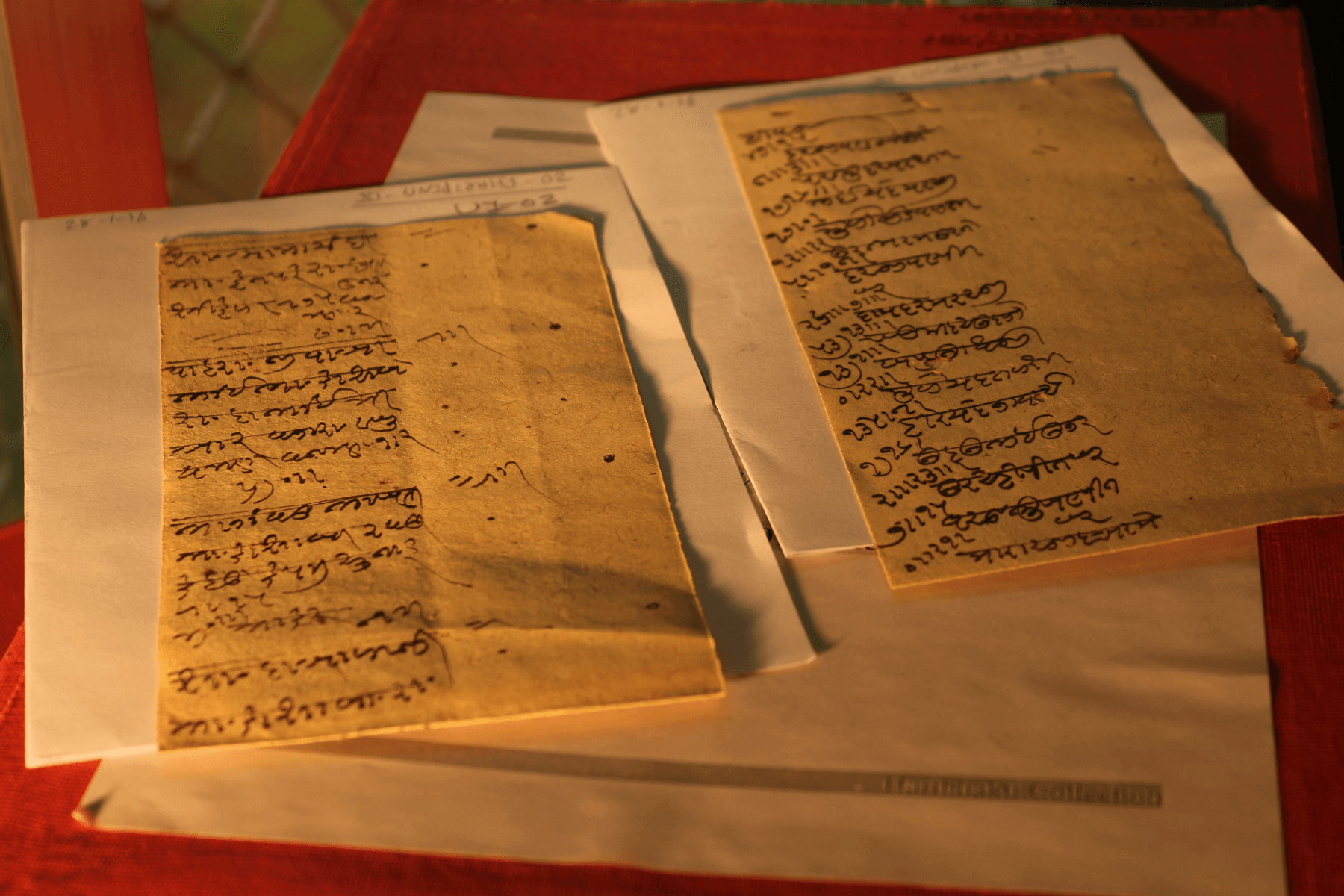
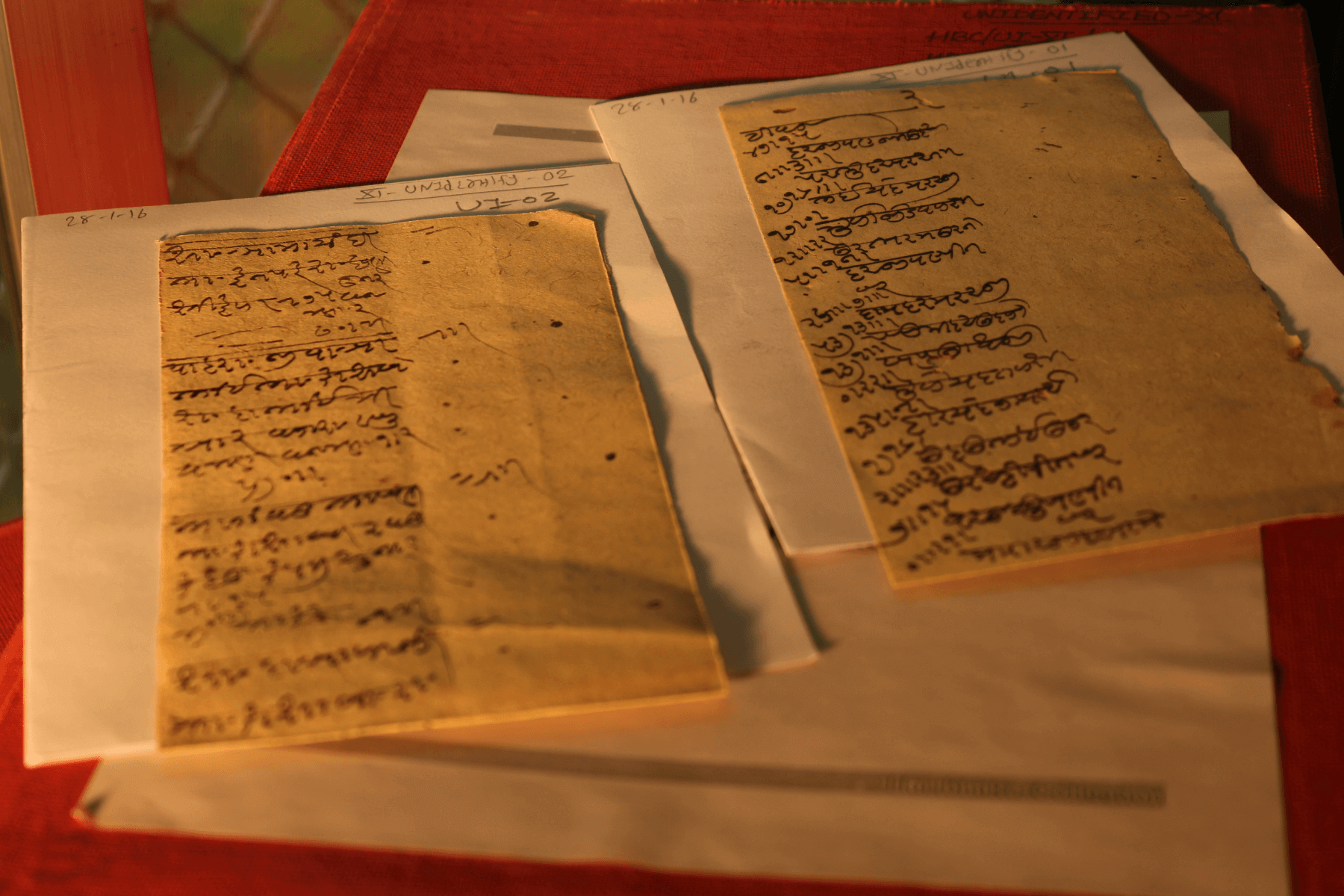
The Collections: Haribhakti Collection (HBC)
- Financial and administrative relationship between HariBhakti Pedhi and Peshwas of Pune.
- Financial, administrative and social relations between Haribhakti family and the Rulers of Baroda State (Gaekwads)
- Correspondence of HariBhakti Pedhi with the English East India Company and the British Government
- Records of merchants, bankers, mahajans, and communities across Western India
Mission:
Key Academic Areas
- Tax and revenue systems
- Indigenous finance and accounting
- Princely state administration
- Urban institutional history
- Philanthropy and temple management
- Pre-modern economic networks
Research & Scholarship
Outreach & Collaboration
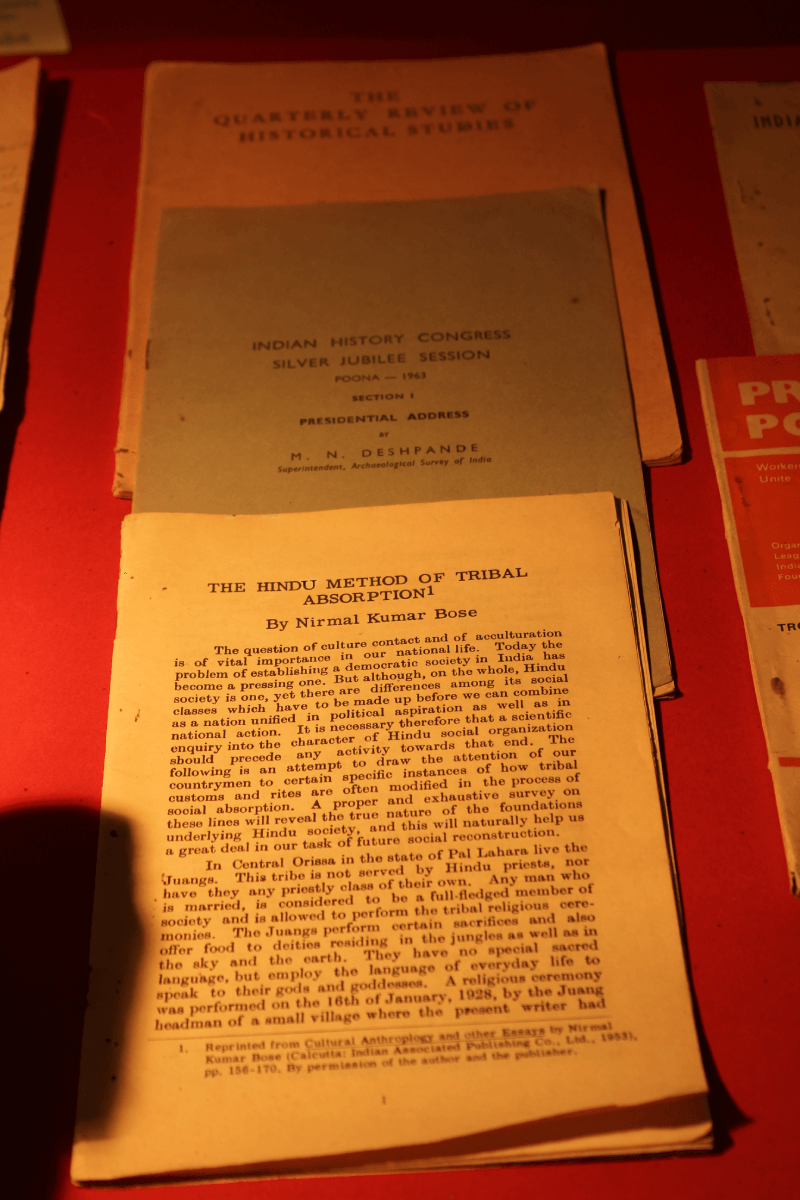
Beneficiaries and Academic Engagement
- Departments of Gujarati, Marathi, Persian, Urdu, Sindhi, Linguistics, History, Economics, Sociology
- Faculty of Commerce (Accounts & Finance)
- Faculty of Management Studies
History • Economics • Statistics • Management • Heritage Studies • Cultural Studies
Collaborations:
National Partners
International Partners
Significance:
The Haribhakti Centre stands today as one of the most important archival hubs for the study of indigenous financial and the socio-economic history of Western India. By opening centuries-old manuscripts to scholars worldwide, HCHRS and IHA continues to enrich historical knowledge, revive traditional scripts, and strengthen India’s archival and academic culture.