The Origin: HariBhakti Pedhi
In 1730, Laxmidas Seth migrated from Manodhar to Baroda, accompanied by Narsidas, Bhaktidas and Haribhai. Laxmidas and Narsidas played a key role in establishing and expanding their finance and trading business in Baroda. By 1745, Haribhai and Bhaktidas moved to Pune to further develop their commercial ventures. Their growing success and reputation led to a close association with Nana Fadnavis, and over time, they became prominent state financiers in the court of Peshwas.
A mercantile bank was founded in Pune in 1762 by brothers Haribhai and Bhaktidas, named HariBhakti Pedhi, reflecting their names and their loyalty to Lord Vishnu (“Hari”) and “Bhakti” (devotion). Haribhai and Bhaktidas opened their Pedhi in Baroda from 1771. Hari-Bhakti emerged as the family surname as their descendants matured, symbolizing their financial and religious legacy. The Haribhaktis had a substantial impact on early Indian finance. A consortium banking model was established, wherein multiple financiers aggregated their resources, often under the leadership of Hari Bhakti Pedhi, to finance substantial projects for the Gaekwads of Baroda. They were granted the right to levy taxes from communities instead of interest.
Furthermore, they offered retail loans with extensive terms and locker facilities, which soldiers utilized to store items during hostilities. Their stringent record-keeping protocols adhere to contemporary standards for financial documentation. The Haribhakti legacy continues to influence modern banking due to its commitment, expertise, and vision.
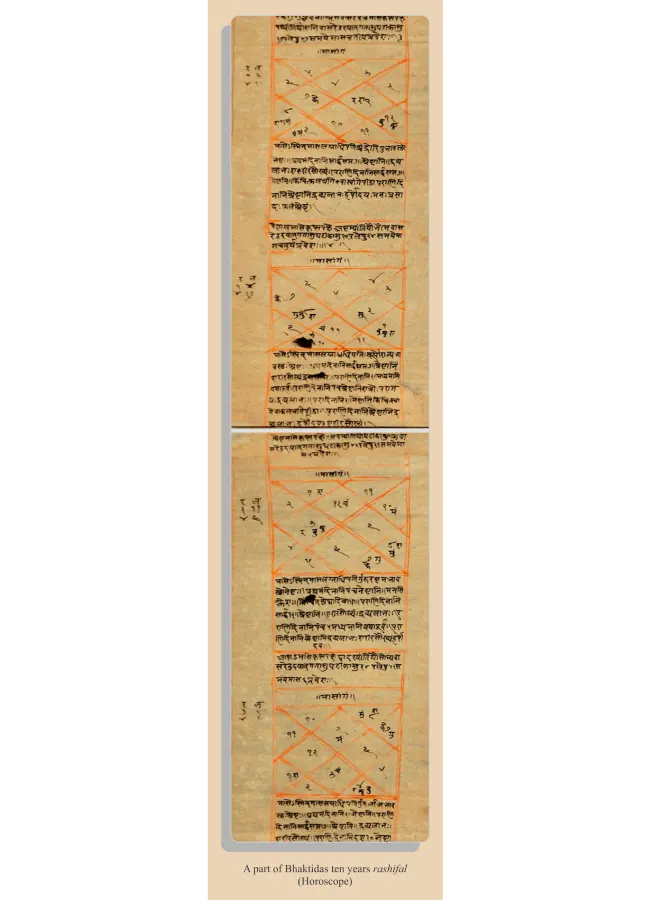
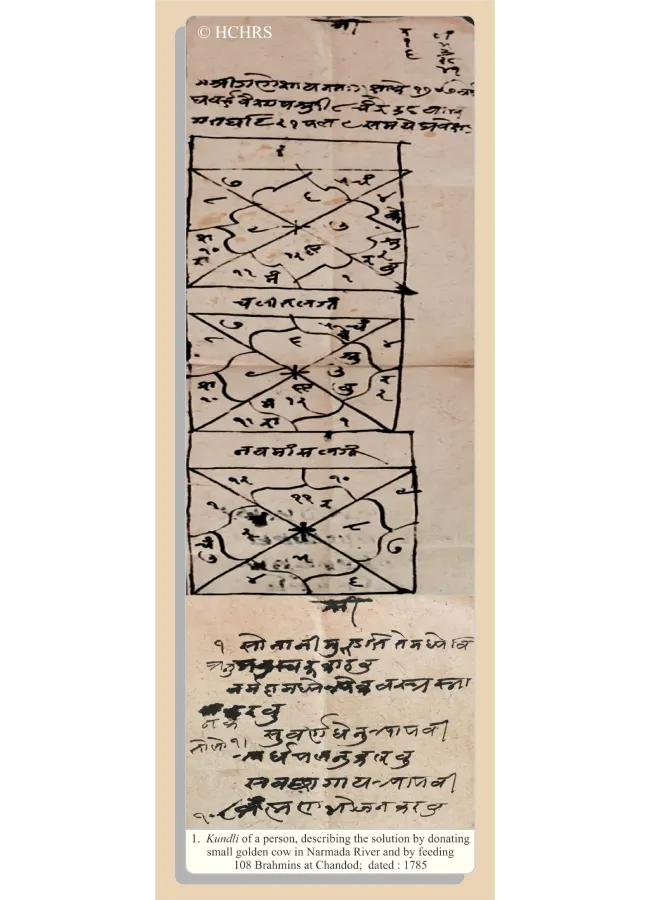
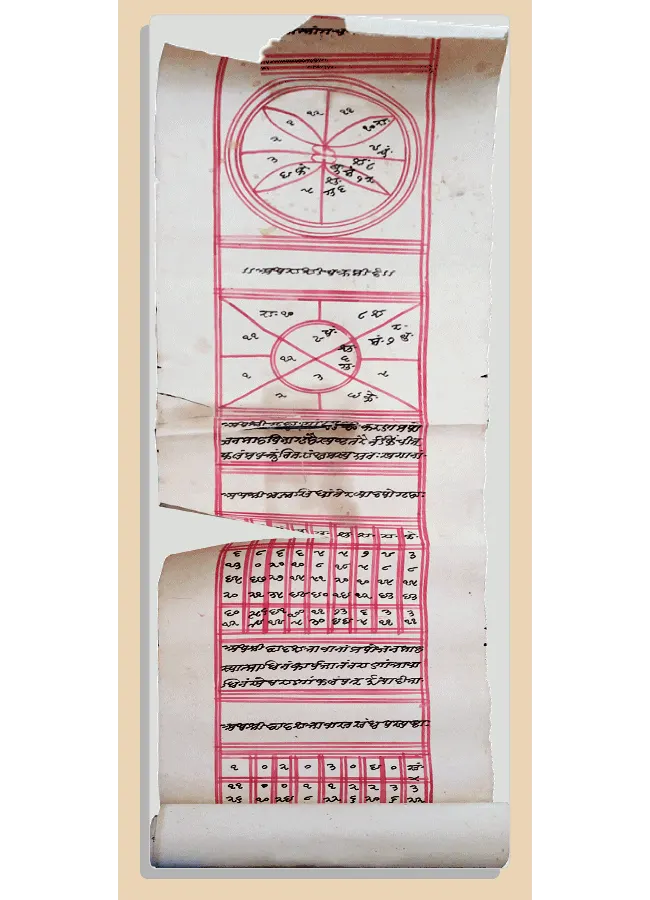
Astrology meets finance:
HariBhakti pedhi’s approach:
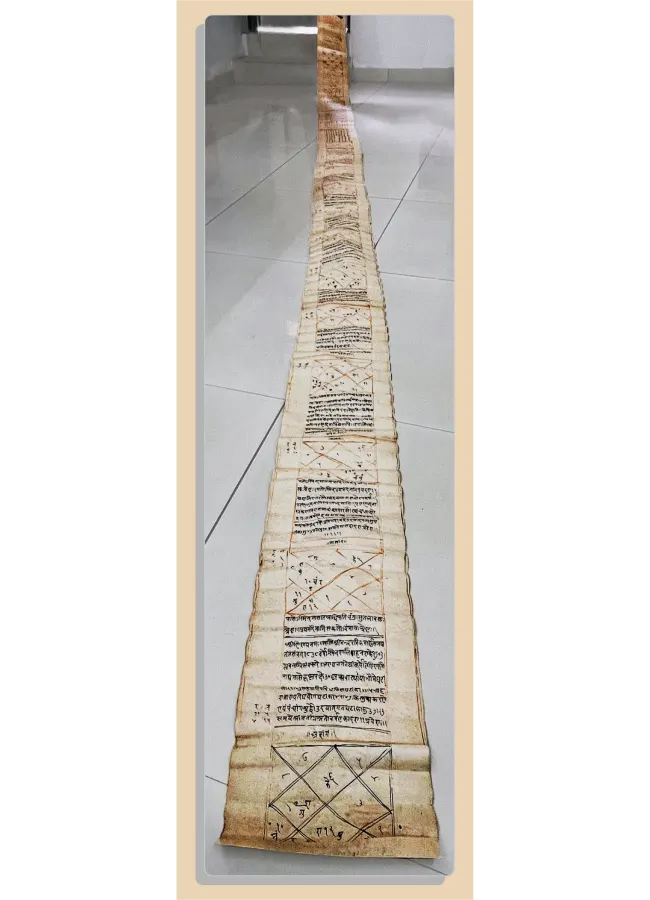
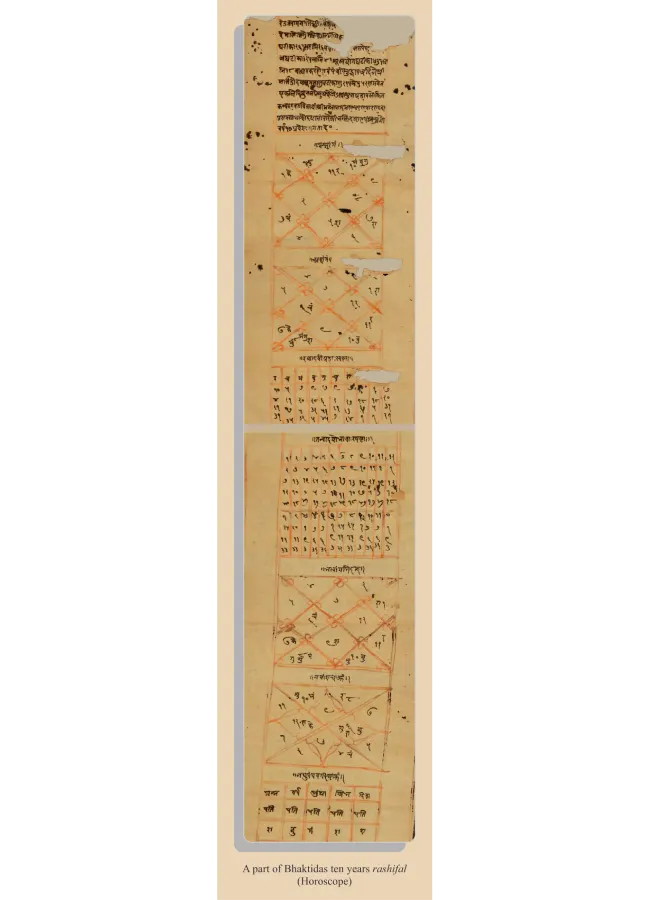
The HariBhakti Pedhi linked astrology and finance by having astrologers look at kundalis, or birth charts, and suggest rituals or donations that would help borrowers’ financial luck. Their ledgers showed that they believed in the balance between money and cosmic wealth by showing that they followed astrological guidance for the future of business.
*HCHRS: Haribhakti Centre for Historical Research & Studies.
Located at Department of History, The Maharaja Sayajirao University of Baroda.
Expansion of Banking services in Baroda state (19th century):
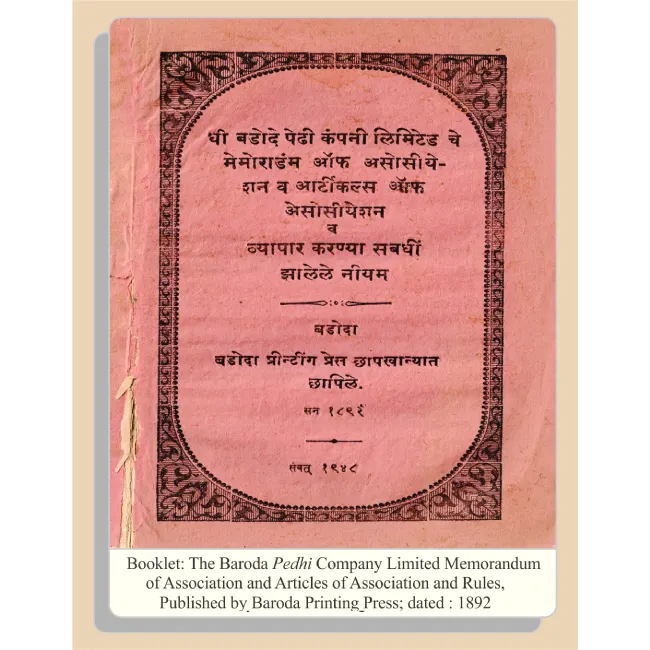
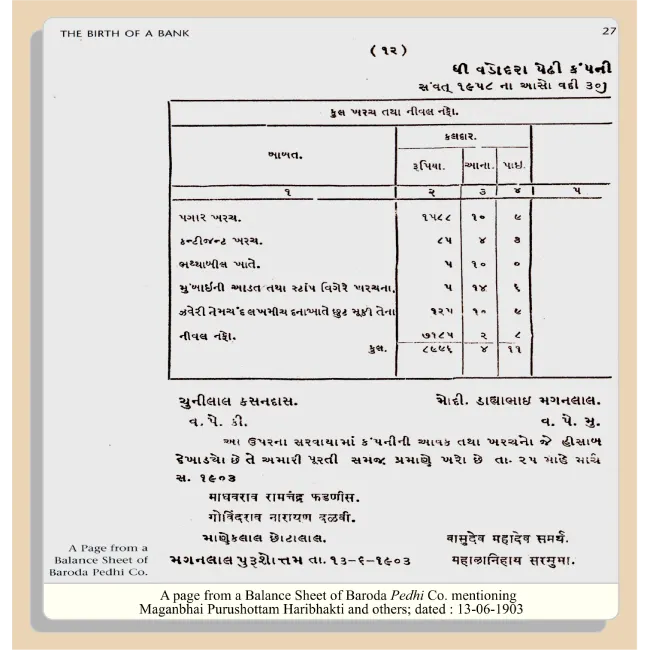
In the late 1800s, Baroda’s economy started to go down, which made it hard for established banks like the Sharafi Pedhi. The former state banks were replaced with a central treasury as part of the reforms initiated by Sayajirao-II. In 1884, Maganbhai Haribhakti was involved in the early stage setup of The Baroda Pedhi Company, which was a joint-stock company. But it failed, because it didn’t have enough money and other financial problems.
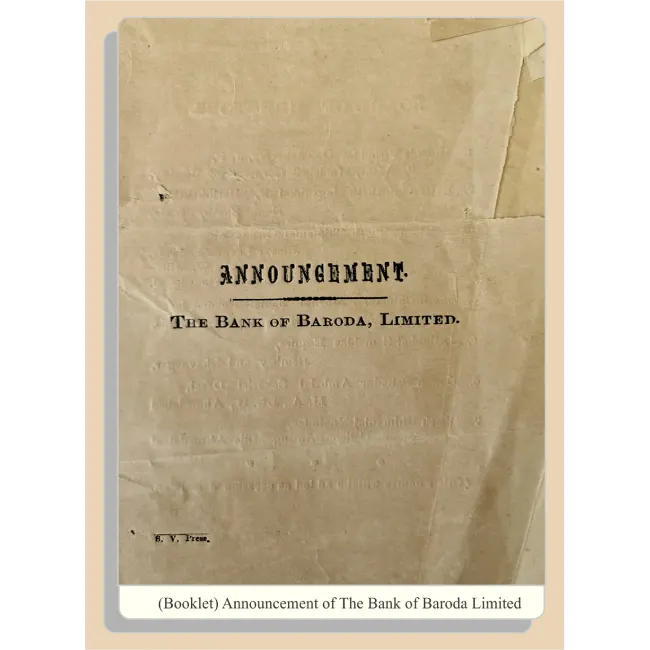
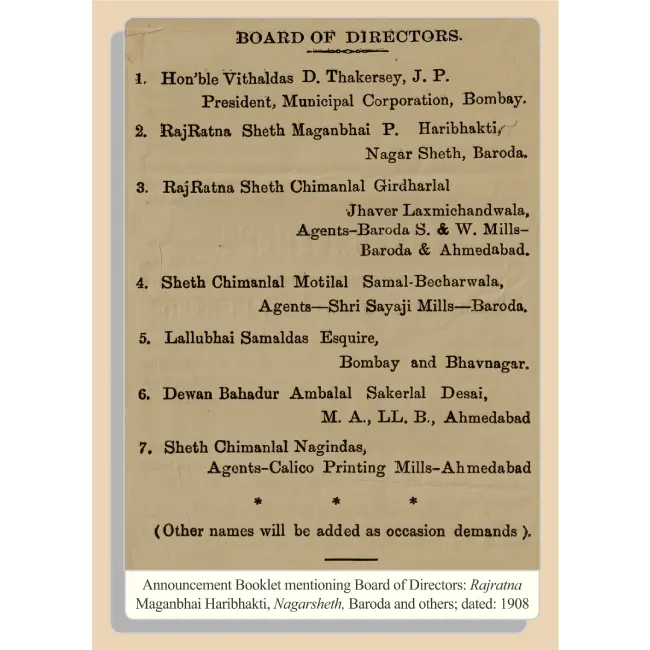
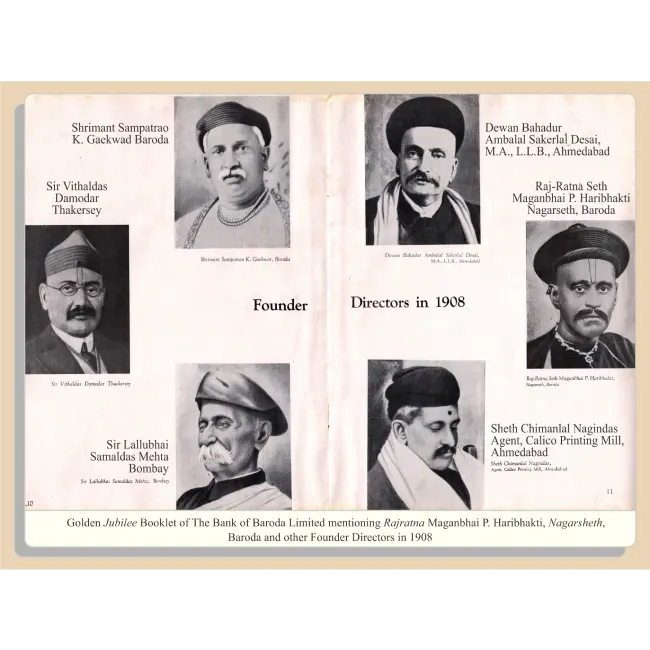
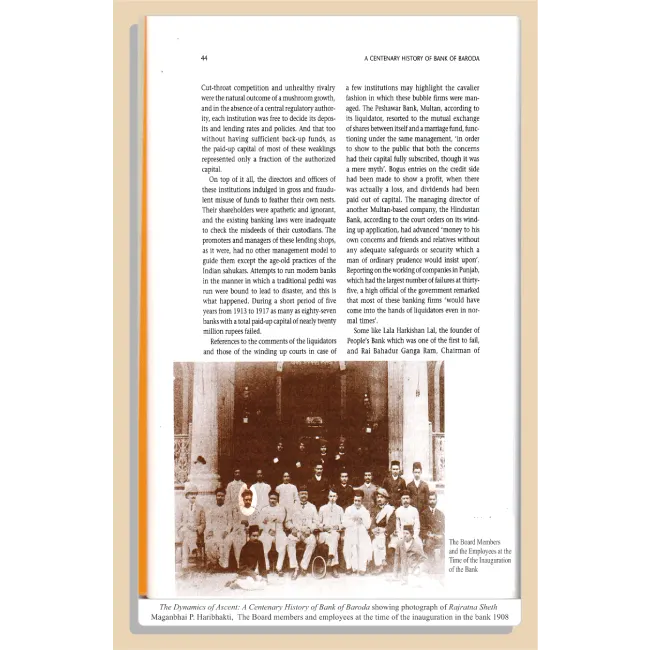
Maganbhai Haribhakti and Mr. Whitenack were very important in starting the Bank of Baroda during Maharaja Sayajirao III’s tenure in 1908. This was the start of institutional finance, which combined contemporary banking methods with old-fashioned principles.